Structural Engineer CV Examples
As a Structural Engineer, your technical expertise and design skills make you essential to safe construction delivery.
Build your resume for free
Structural Engineer CV
How to Write Your Structural Engineer CV
Learn how to create your own interview-winning Structural Engineer CV with this simple step-by-step guide.
This guide will walk you through writing a Structural Engineer CV that highlights your structural design expertise, analytical capabilities, and project delivery skills.
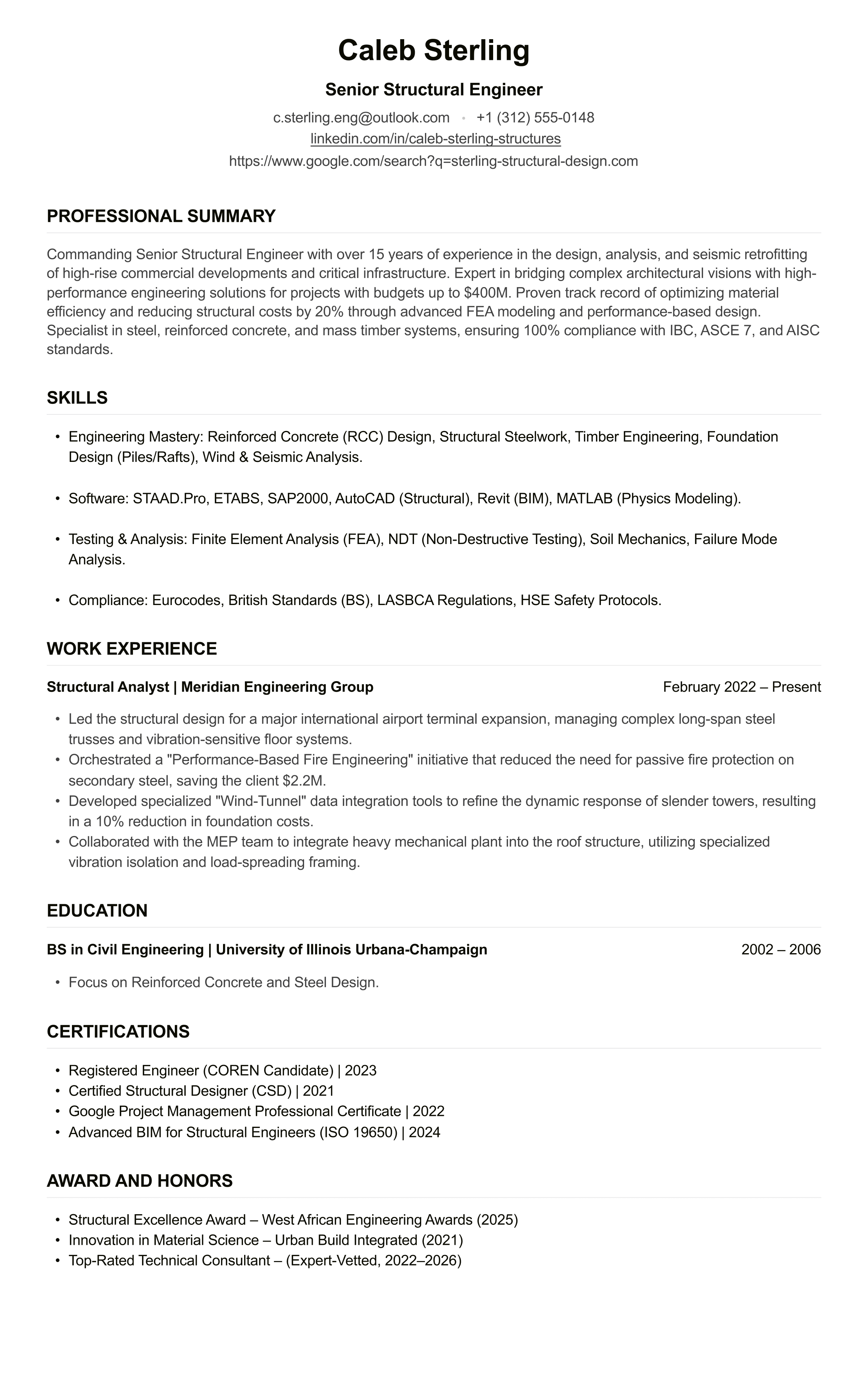
Structural Engineer CV example
Structuring your Structural Engineer CV


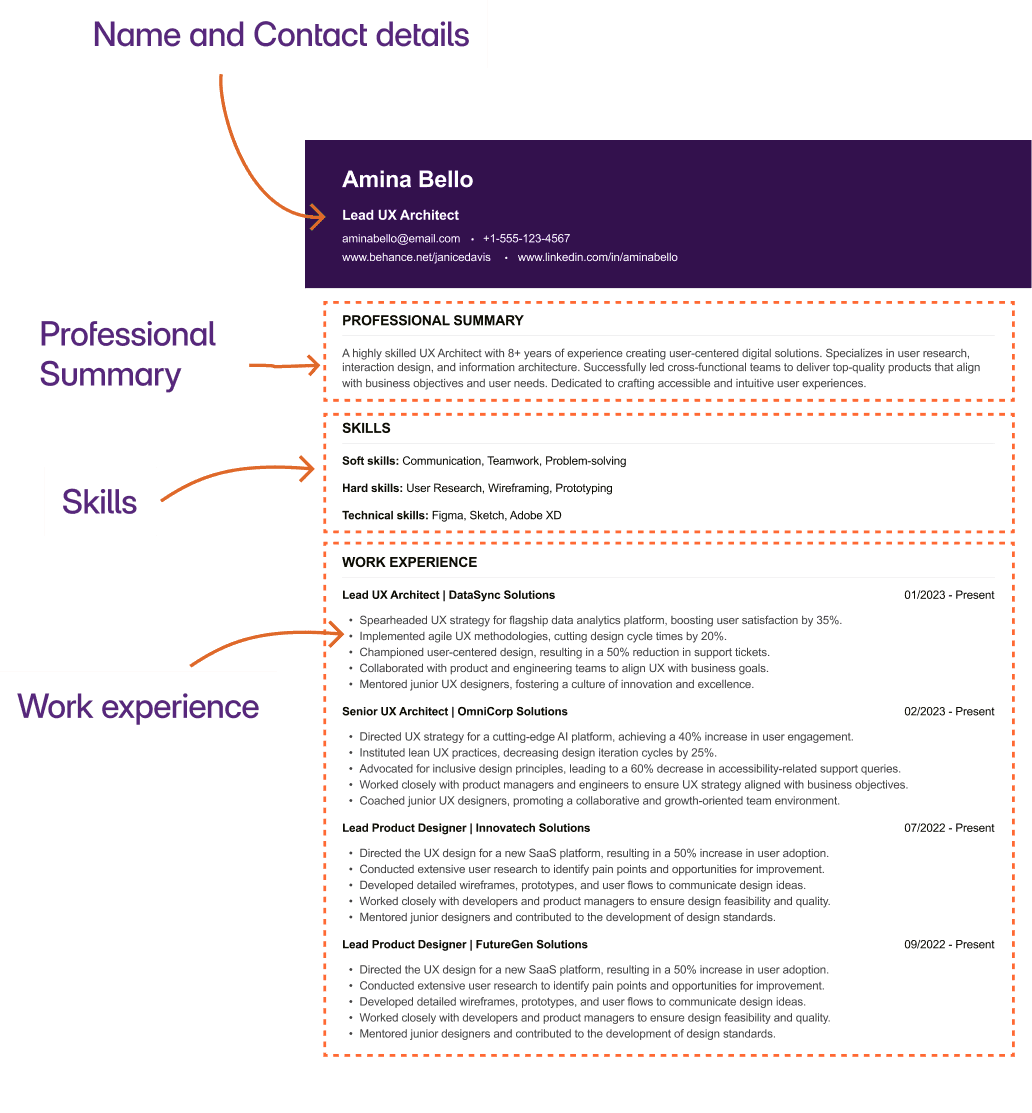
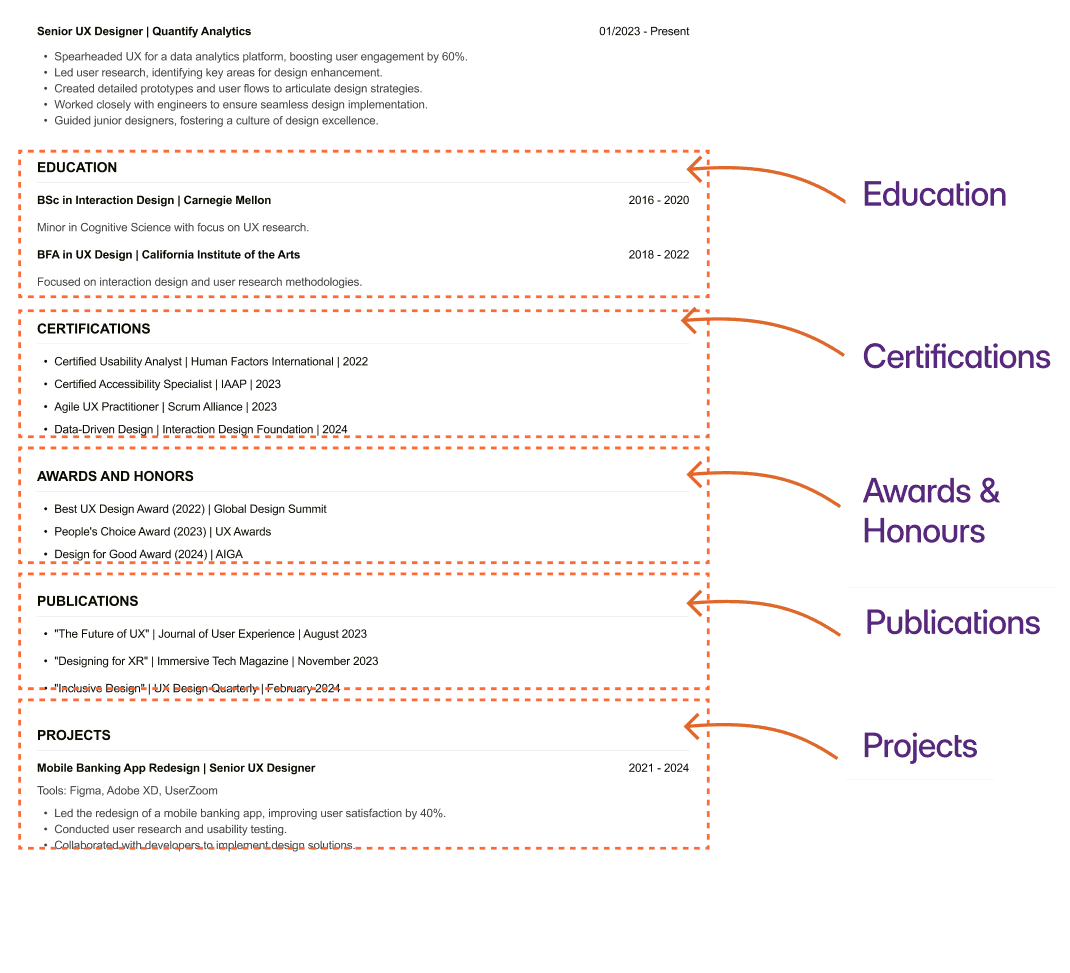
Your CV needs to be as solidly constructed as your structural designs.
Here's how to structure your Structural Engineer CV
- Name and contact details – Place personal information at the top so employers can reach you easily.
- CV profile – Kick things off with a concise overview of what makes you the ideal candidate for the job.
- Core skills – Quickly highlight your most relevant strengths.
- Work experience – Detail your roles in reverse chronological order, focusing on measurable results.
- Education – Provide details on your academic qualifications and relevant certifications.
- Additional info – Optionally, mention certifications, memberships, or personal projects.
Formatting your Structural Engineer CV

You want to prove to a recruiter that you're technically excellent and detail-oriented, so what better place to start than your CV?
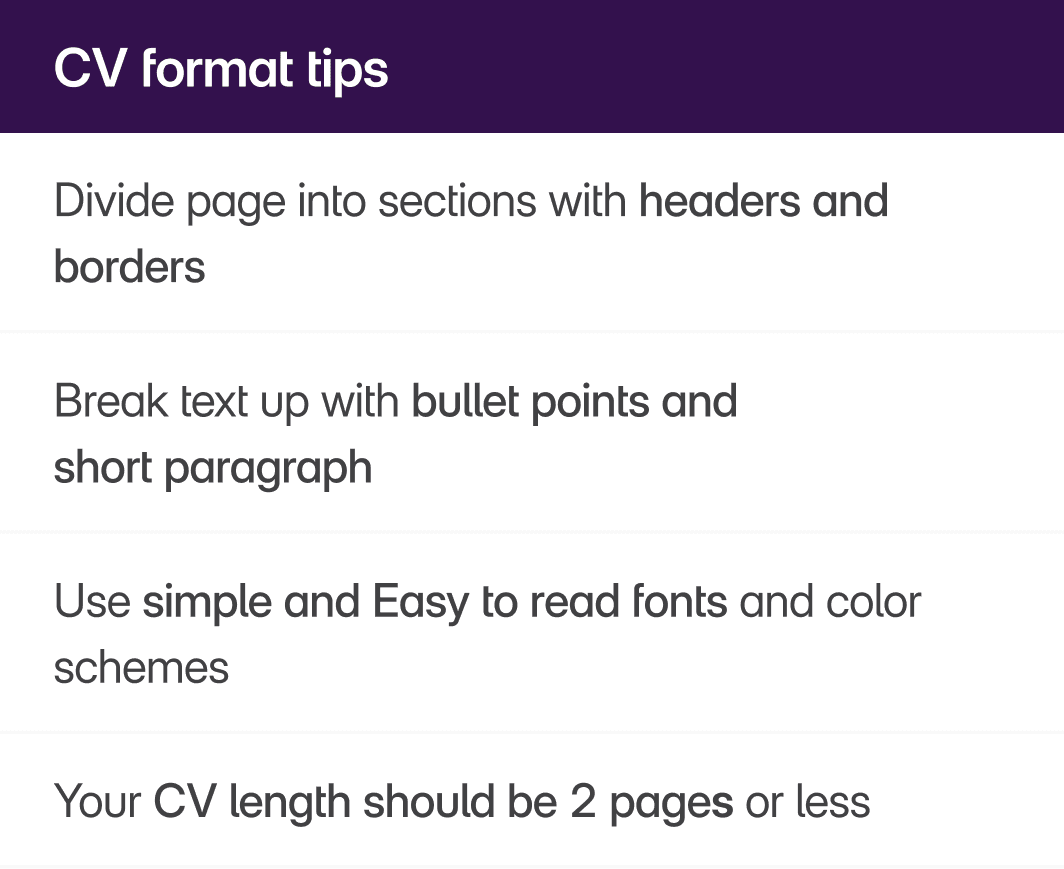
Here's some useful tips to format your Structural Engineer CV effectively:
- Bullet points – Break down duties and achievements into concise details.
- Divide sections – Use clear headings for a straightforward layout.
- Use a clear font and colour scheme – Keep your layout uncluttered for maximum readability.
- No more than 2 pages – Keep it focused on your best and most relevant qualities.
Writing a Structural Engineer CV Professional summary
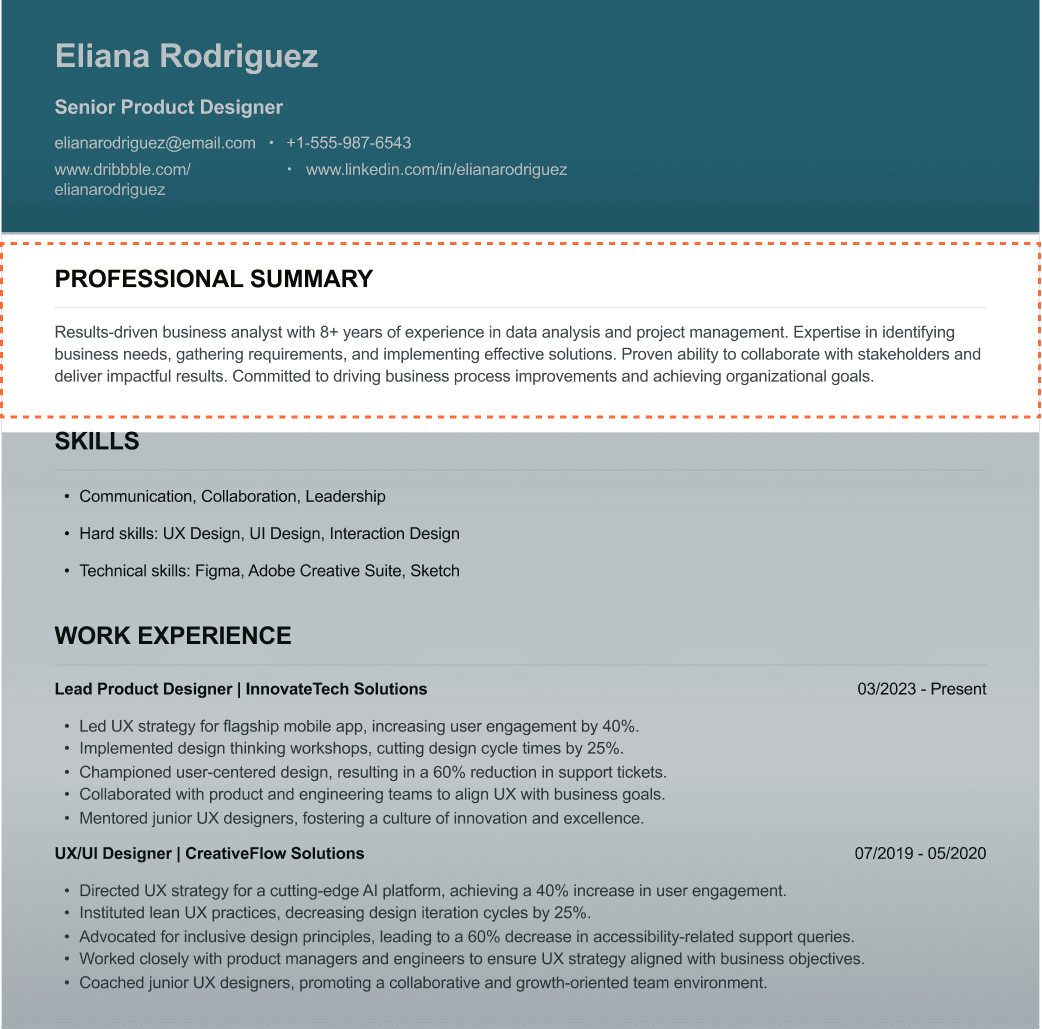
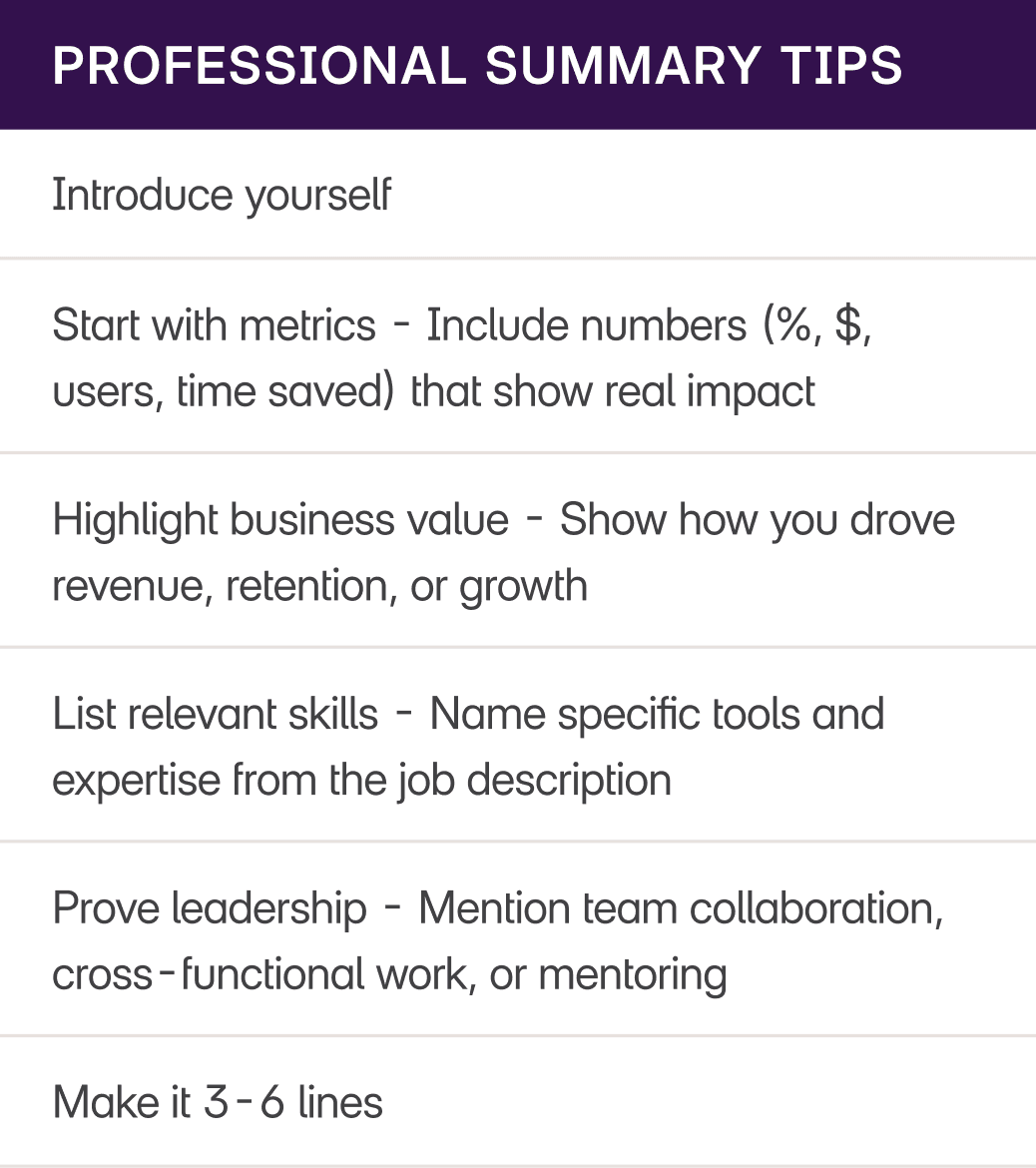
Your CV profile is your chance to introduce yourself as a technical, safety-focused Structural Engineer who delivers robust structural solutions.
Structural Engineer CV professional summaries :
Professional summary 1
Chartered Structural Engineer with six years designing buildings and infrastructure, skilled in steel and concrete design, FEA, and Eurocodes application. Proven track record of delivering 20+ projects worth £100 million+ total, achieving Building Control approval without modifications, and designing structures from 3-story residential to 15-story commercial with zero structural failures and IStructE chartership.
Professional summary 2
Experienced Senior Structural Engineer with eight years across consultancy and contractor environments, specializing in complex structures, temporary works, and value engineering. Expertise in leading design teams of 5+ engineers, reducing structural costs by average 18% through optimization, and delivering projects exceeding £50 million including high-rise, bridges, and industrial facilities with excellent client satisfaction.
Professional summary 3
Accomplished Associate Structural Engineer with over ten years transforming structural design, focusing on innovative solutions, sustainable design, and technical leadership. Proven ability to manage project portfolios worth £200 million+, achieve CEng and MIStructE professional status, mentor graduate engineers through chartership, and deliver award-winning structures across residential, commercial, and infrastructure sectors.
What to Include In Your Structural Engineer CV profile:
- Where you've worked – Mention the types of projects or sectors you've worked in, such as buildings, bridges, infrastructure, or industrial.
- Your top qualifications – Highlight your degree, CEng, MIStructE, or chartered status.
- Essential engineering skills – Include your proficiency with structural analysis, design codes, and calculation software.
- Project scale delivered – Reference project values, building heights, or structural complexity.
- Relevant software – Mention experience with Tekla, Robot, ETABS, or specific analysis tools.
How to Present a Structural Engineer Core Skills Section Properly
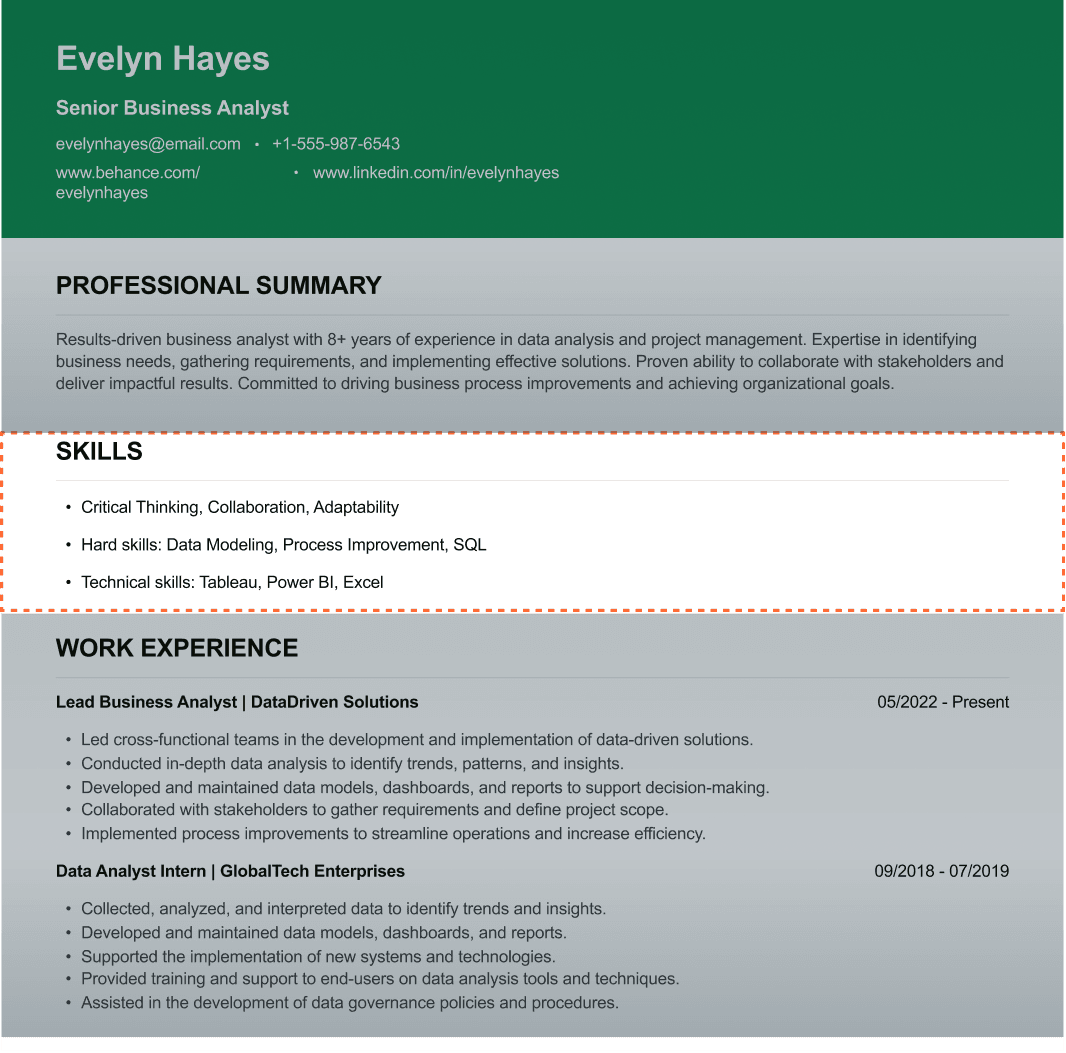
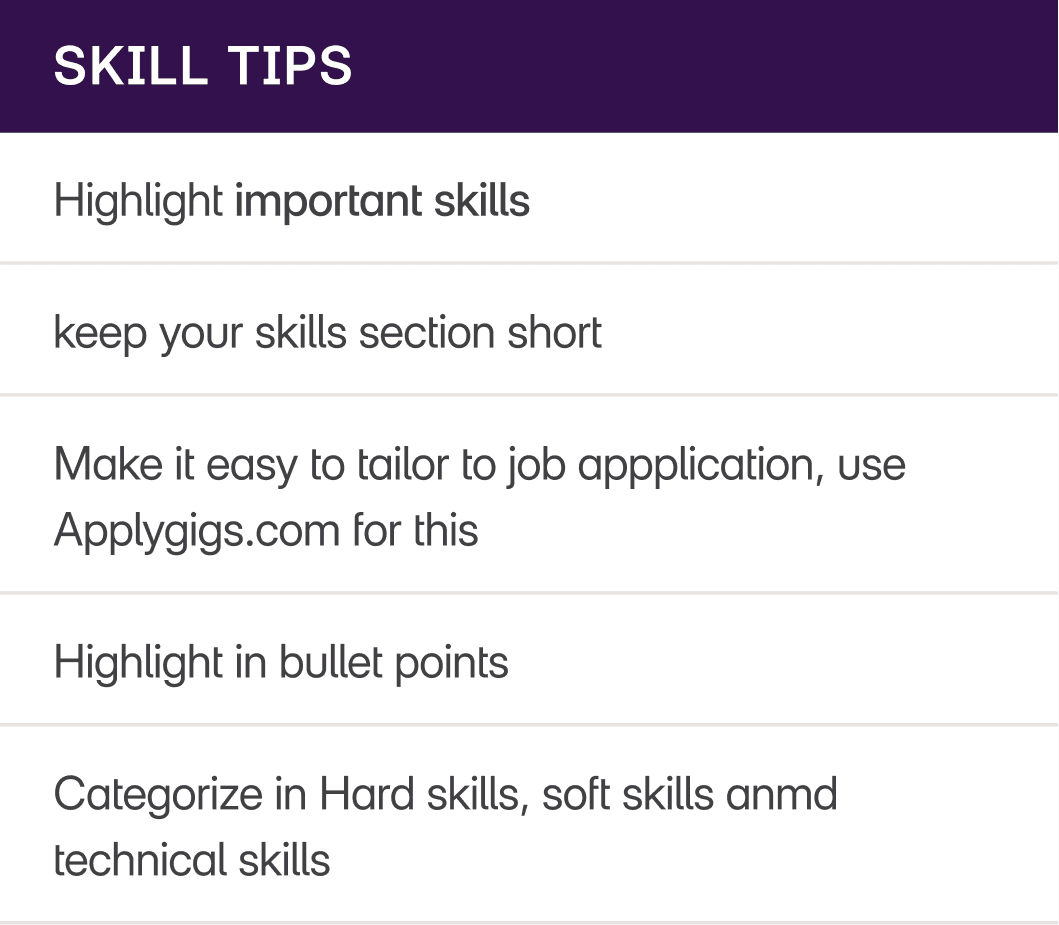
The core skills section is your quick-reference list, showing employers why you're the Structural Engineer who can deliver safe, efficient structures.
Structural Engineer CV Top skills
Top skills for Structural Engineer CV
- Structural Analysis – Performing hand calculations and computer analysis using software like Robot, ETABS, or SAFE.
- Concrete Design – Designing reinforced and post-tensioned concrete structures to Eurocodes or BS standards.
- Steel Design – Designing steel frames, connections, and composite structures per Eurocodes.
- Foundation Design – Designing foundations including pads, rafts, piles, and retaining structures.
- Building Regulations – Ensuring designs comply with Building Regulations, Planning, and CDM.
- Structural Drafting – Producing structural drawings and details using AutoCAD or Revit.
- Temporary Works – Designing falsework, shoring, and construction support structures.
- Site Inspections – Conducting site visits ensuring construction matches design intent.
How to Write a Structural Engineer CV Work Experience
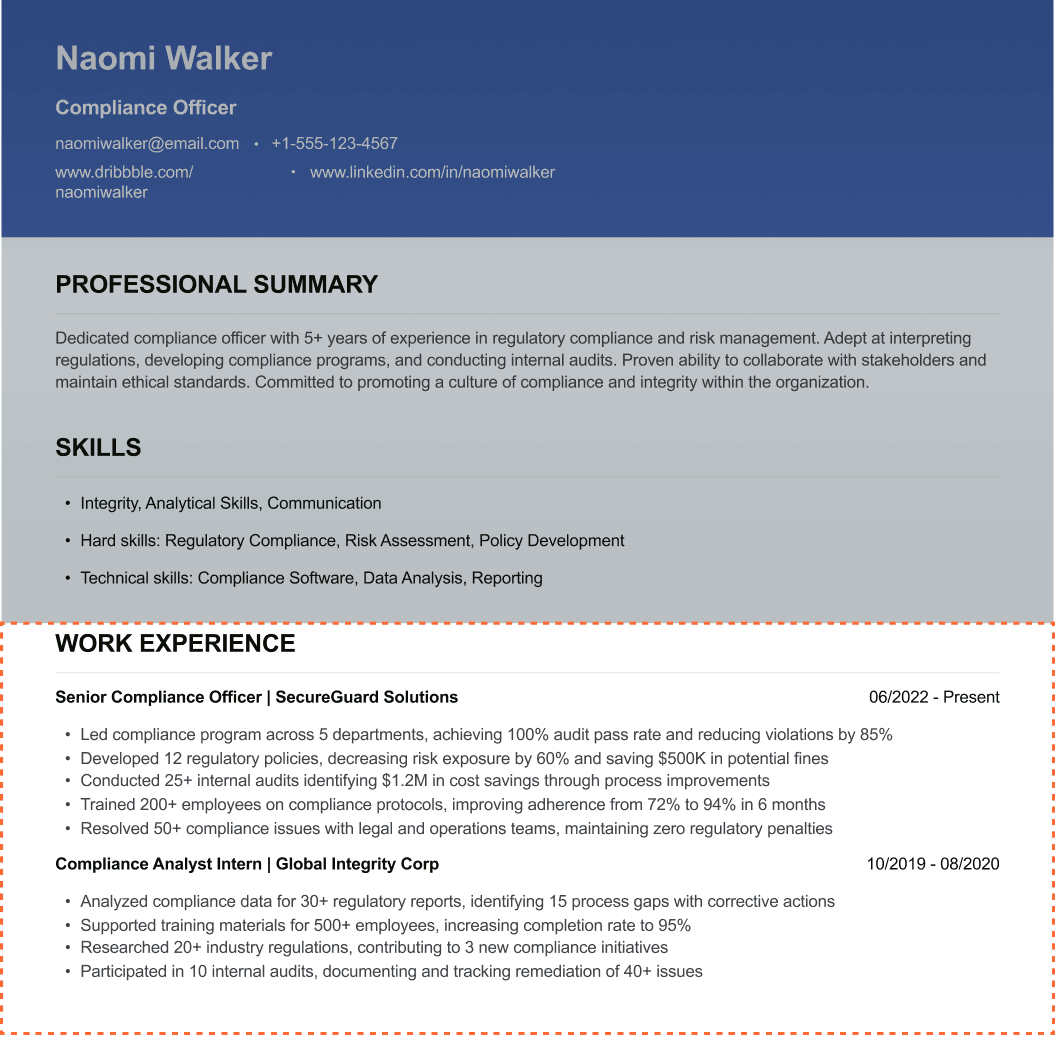
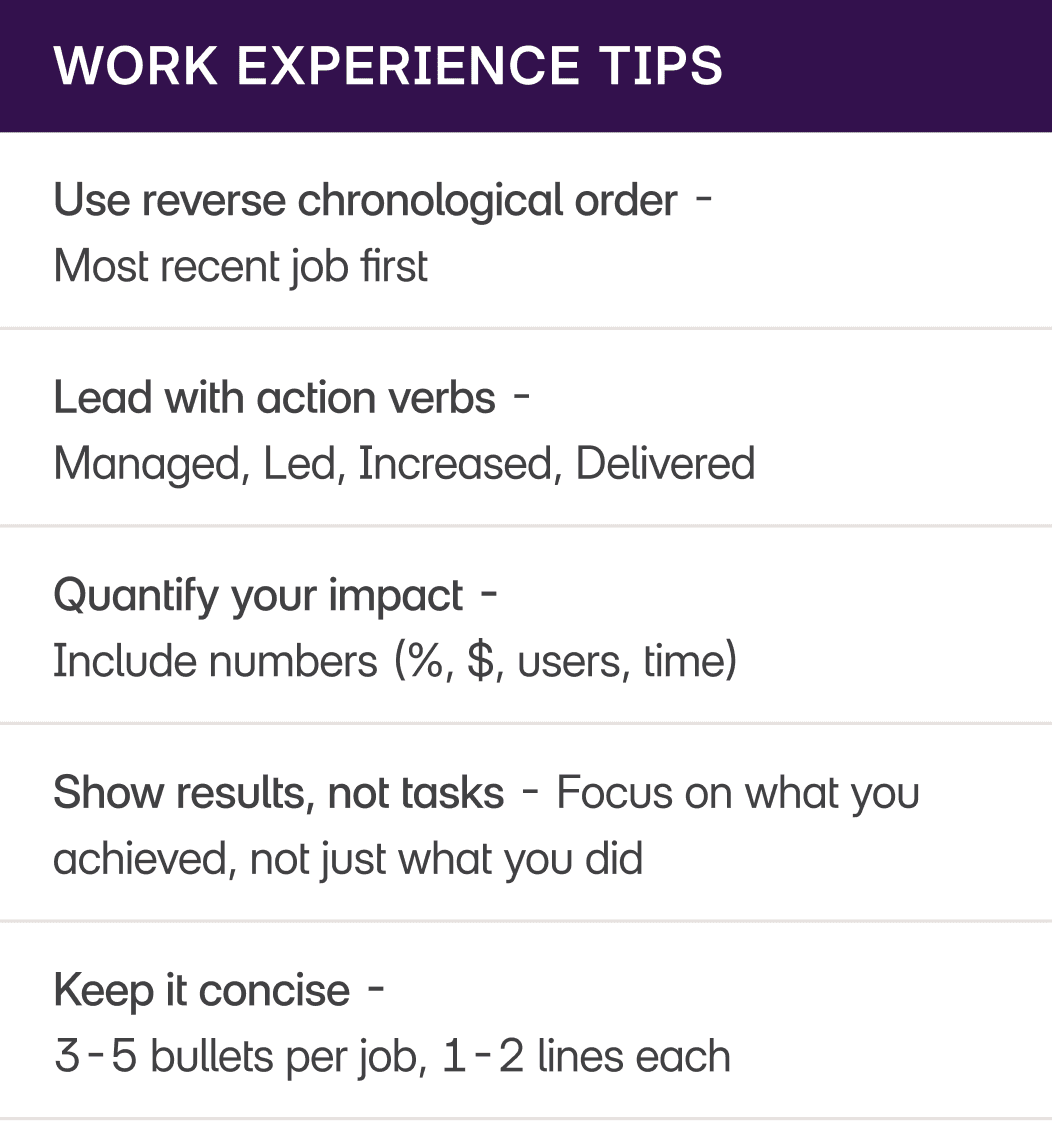
Here's the bulk of your CV: your work experience section is where you prove how your structural engineering has delivered safe, efficient buildings.
Structural Engineer CV Work experience examples
Structural Engineer | Consulting Engineers
Responsibilities
- Designed steel and concrete structures for 15+ buildings using Tekla Structural Designer achieving optimized solutions averaging 12% material savings versus initial concepts while maintaining safety factors
- Performed structural analysis on 8-story office building using ETABS evaluating lateral stability, vibration, and progressive collapse achieving Building Control approval first time with zero queries
- Produced structural calculations and drawings for foundations, frames, and connections managing projects from feasibility through construction issue delivering complete design packages within fee budgets
- Conducted site inspections on 20+ active construction sites identifying and resolving 40+ construction deviations ensuring structural integrity and coordinating remedial solutions with contractors
Writing a Structural Engineer CV section
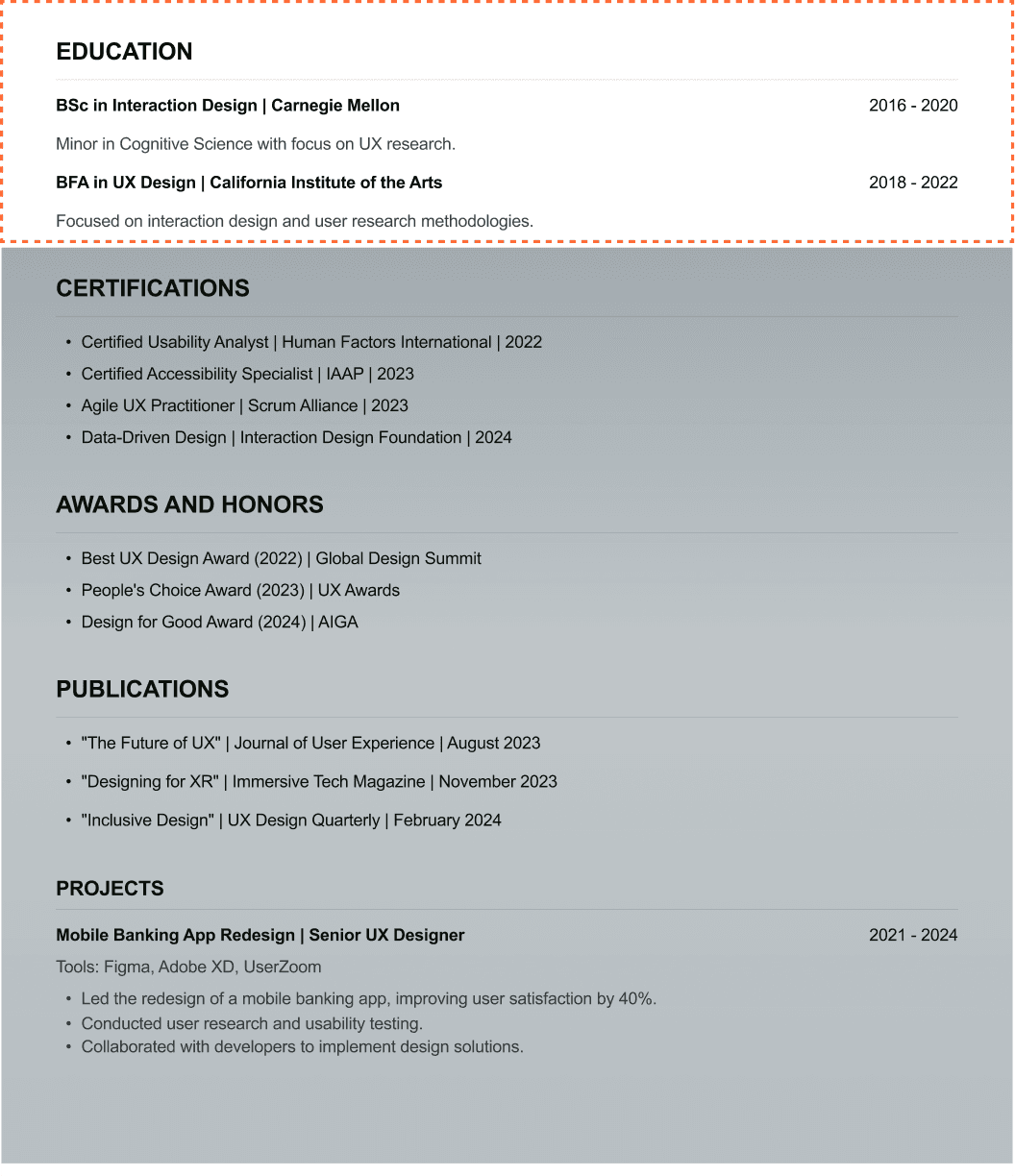
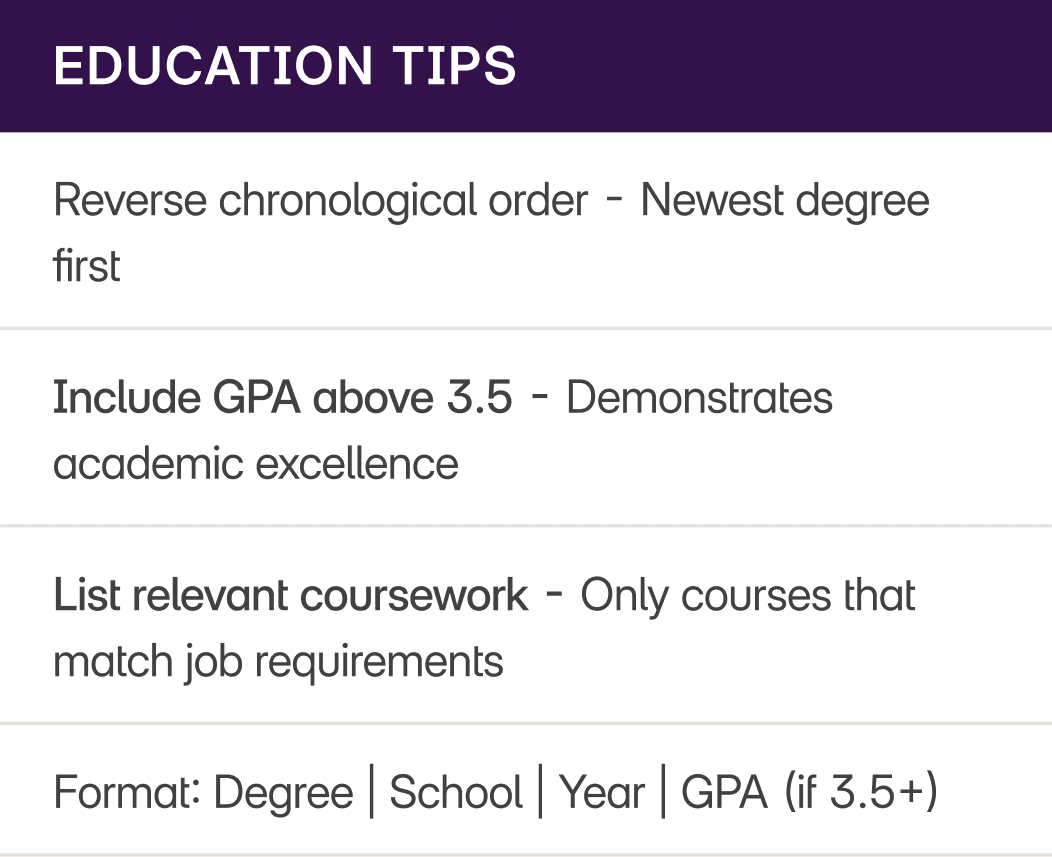
The education section shows the qualifications that lay the foundation for your structural engineering career.
Best Qualifications for Structural Engineer professionals
- MEng in Civil/Structural Engineering – Accredited master's degree.
- BEng in Civil/Structural Engineering – Accredited bachelor's degree.
- CEng (Chartered Engineer) – Professional engineering status.
- MIStructE (Member of Institution of Structural Engineers) – Professional membership.
- MICE (Member of Institution of Civil Engineers) – Alternative professional body.
- Temporary Works Coordinator – TWf certification for temporary works design.
How to Write a Structural Engineer CV Certification, Awards and Publication Section
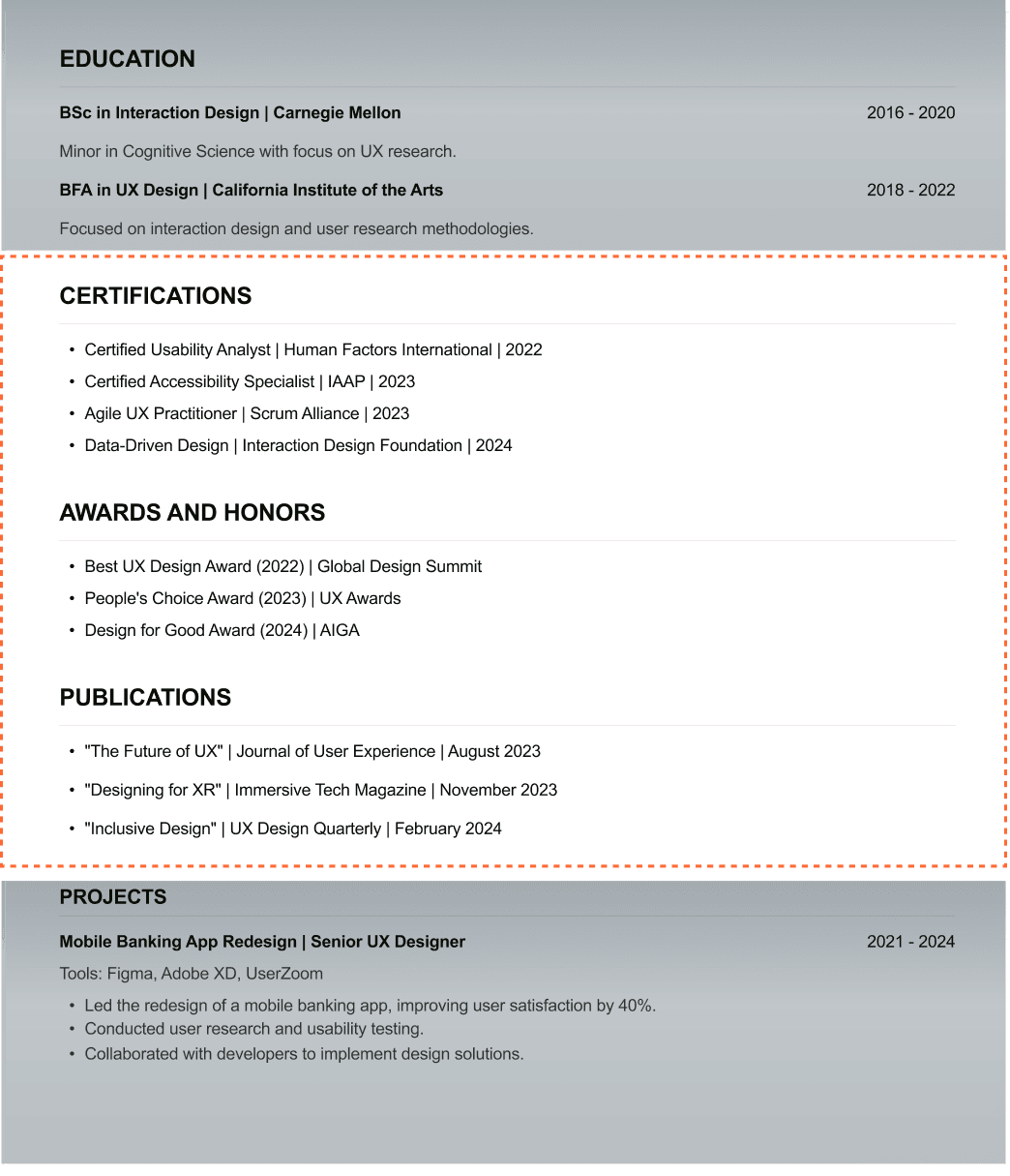
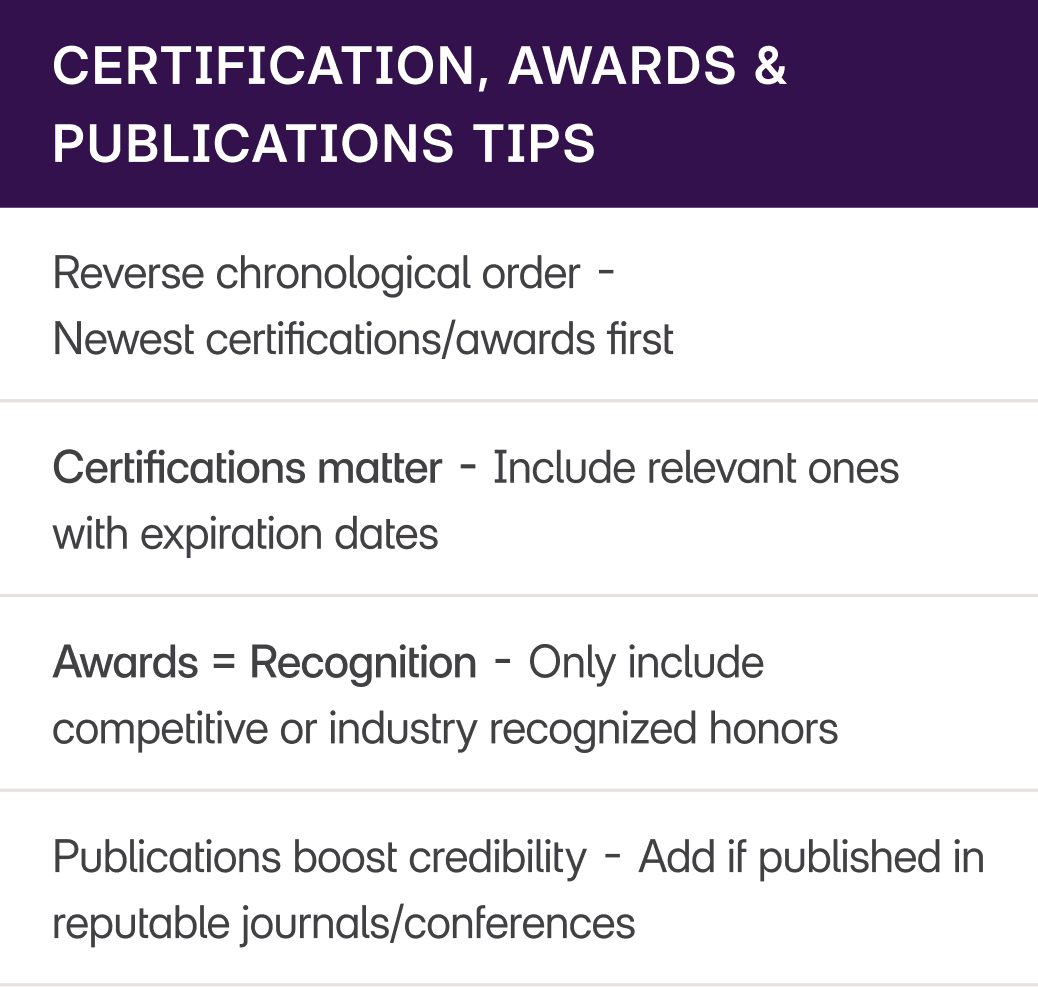
Adding a dedicated section for certifications, awards, and publications can significantly strengthen your Structural Engineer CV by demonstrating your professional standing, technical contributions, and industry recognition.
Structural Engineer CV certification, Awards and Publication examples
CEng – Chartered Engineer – Engineering Council UK, 2023
MIStructE – Institution of Structural Engineers, 2023
Temporary Works Coordinator – Temporary Works Forum, 2024
CDM Principal Designer – CITB, 2023
Eurocodes Expert Certificate – The Concrete Centre, 2024
How to Write a Structural Engineer CV Projects Section
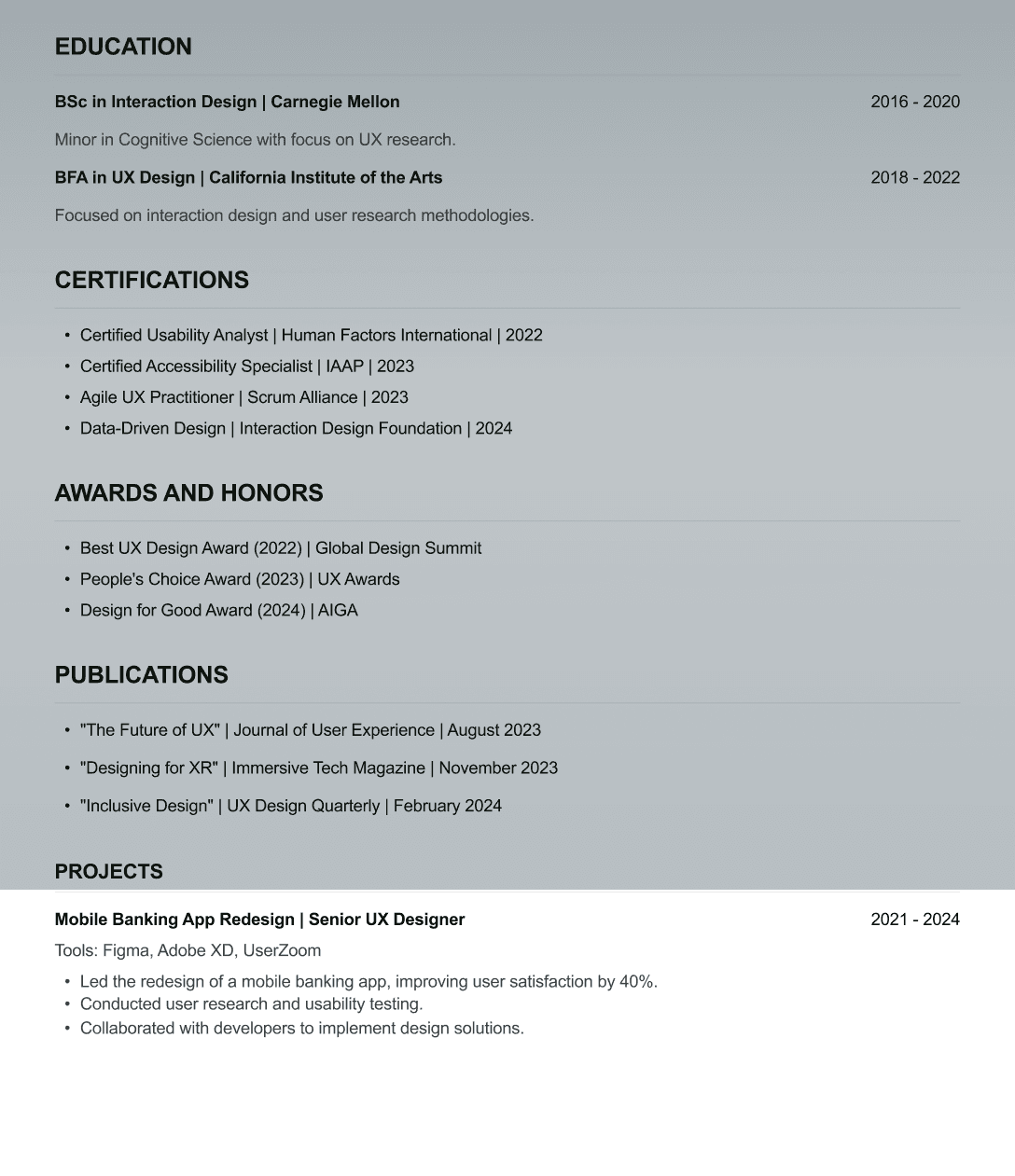
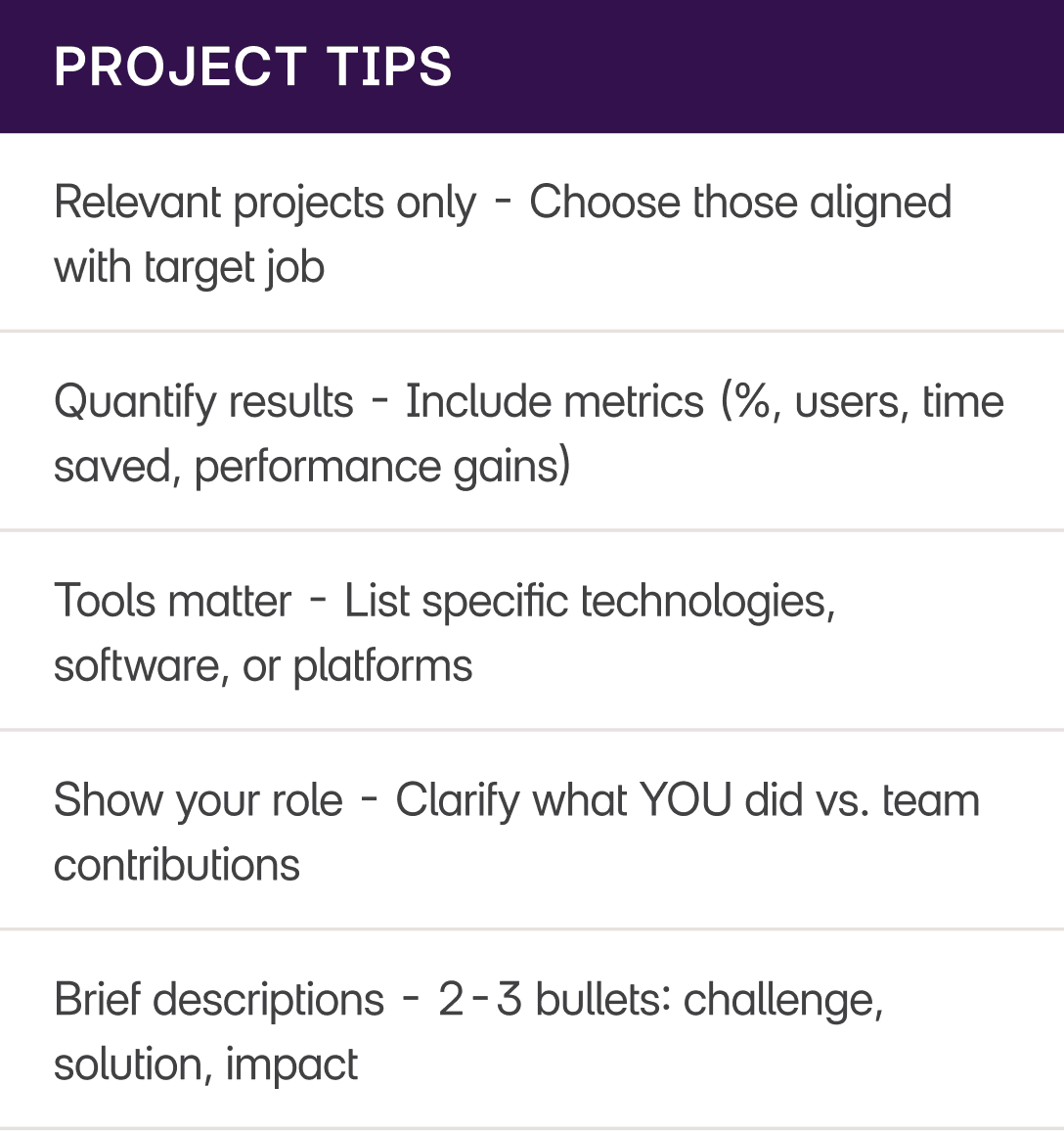
Showcasing specific projects in your Structural Engineer CV demonstrates your ability to deliver complex structures and solve engineering challenges.
How to structure project descriptions
Project Title | Organisation | Duration
- Concise one-liner descriptions of key contributions and measurable outcomes
Structural Engineer CV projects examples
12-Story Mixed-Use Development | Commercial Developer | Mar 2023-Jan 2025
Designed complete structural frame for £45 million development comprising 80 apartments and retail using post-tensioned flat slabs reducing floor depth by 150mm and enabling additional floor
- Performed wind analysis and designed lateral stability system using concrete cores and shear walls achieving drift limits under 1/500 and passing independent checking
- Optimized foundation design using piled raft solution reducing construction costs by £380,000 versus traditional pile cap design while maintaining settlement within acceptable limits
- Coordinated structural design with architect and MEP engineers resolving 60+ interface issues through BIM coordination achieving clash-free construction documentation