BMS Engineer CV Examples
As a BMS Engineer, your controls expertise and technical knowledge make you essential to intelligent building operations.
Build your resume for free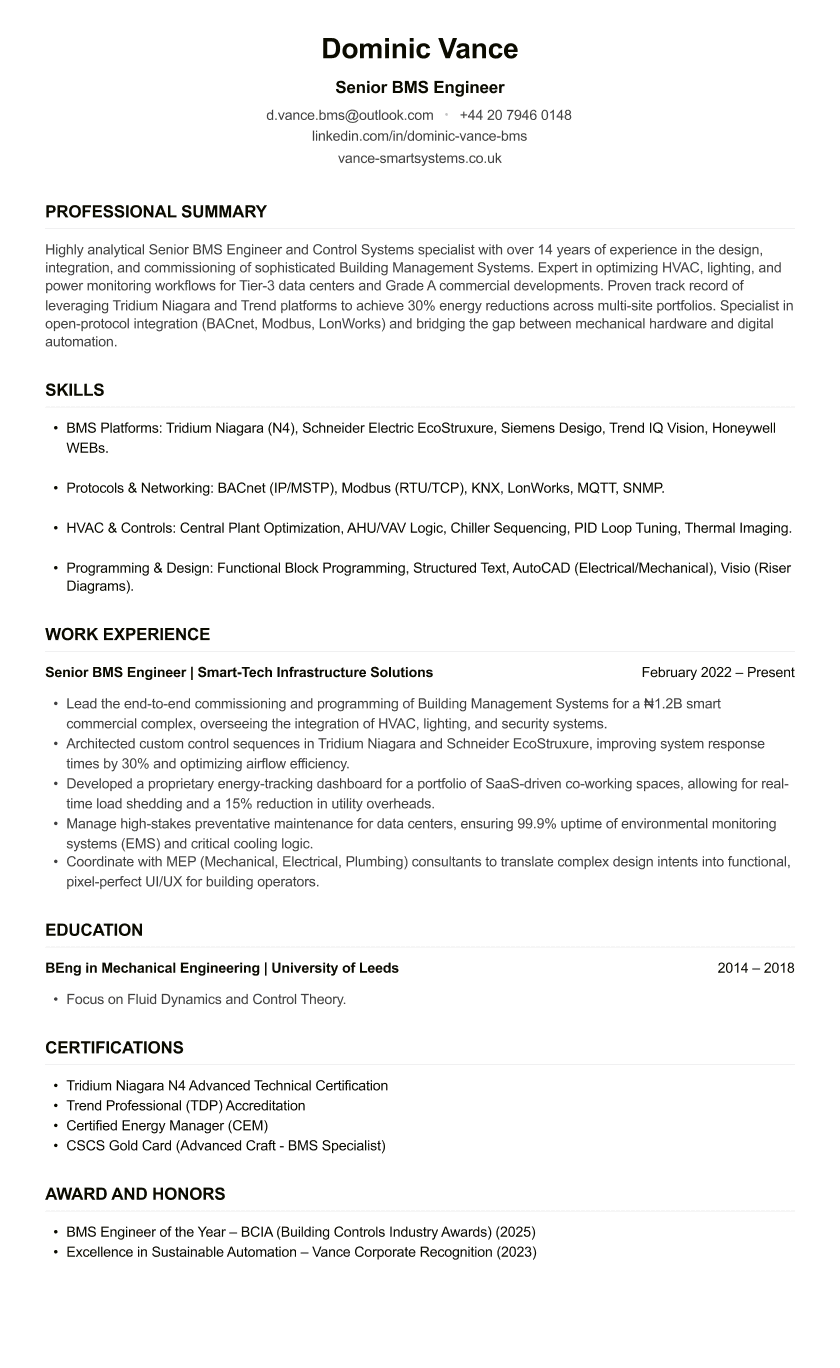
BMS Engineer CV
How to Write Your BMS Engineer CV
Learn how to create your own interview-winning BMS Engineer CV with this simple step-by-step guide.
This guide will walk you through writing a BMS Engineer CV that highlights your building automation expertise, control programming skills, and system optimization capabilities.
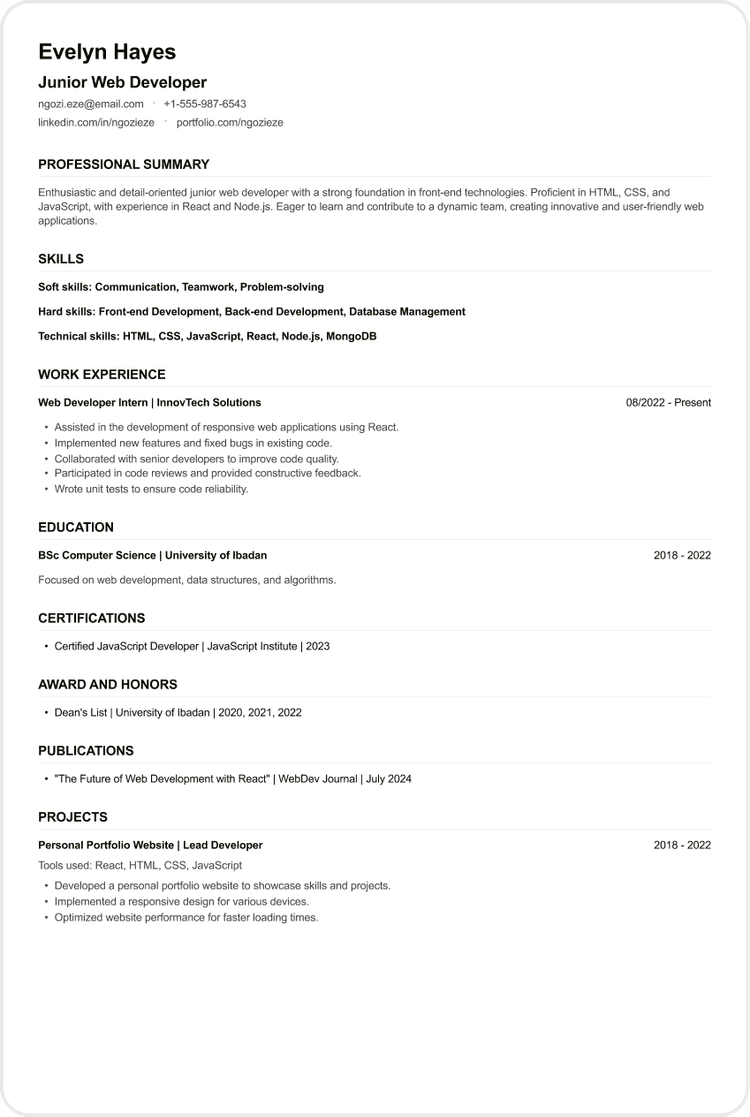
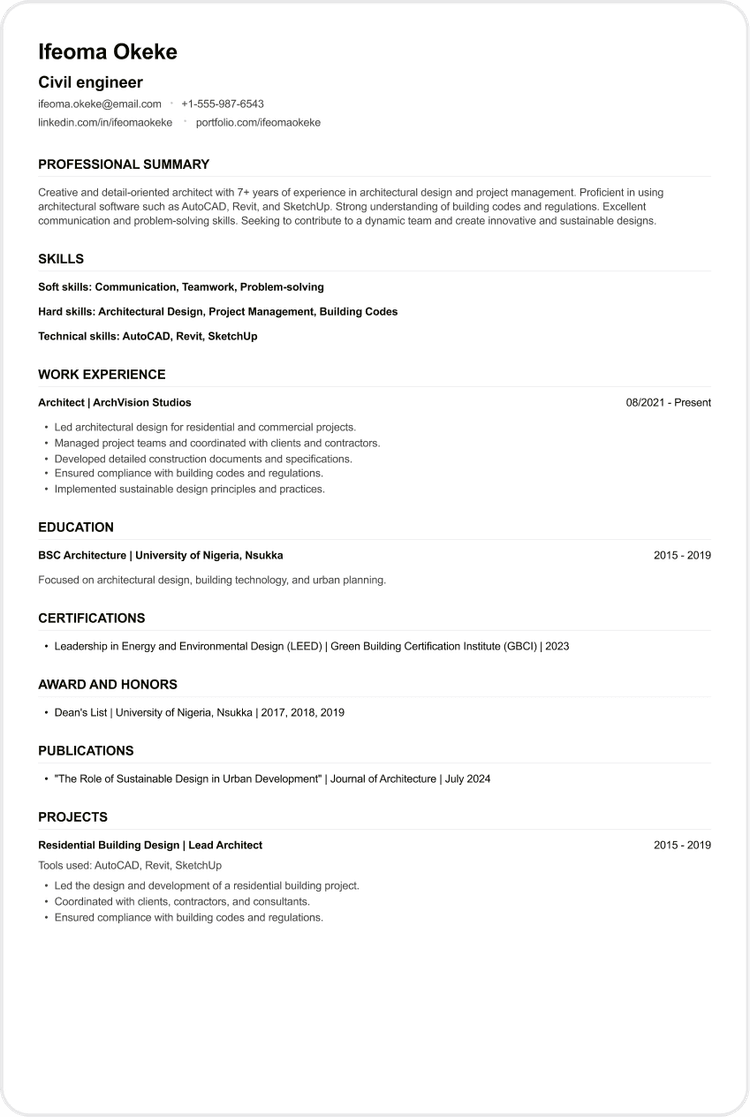
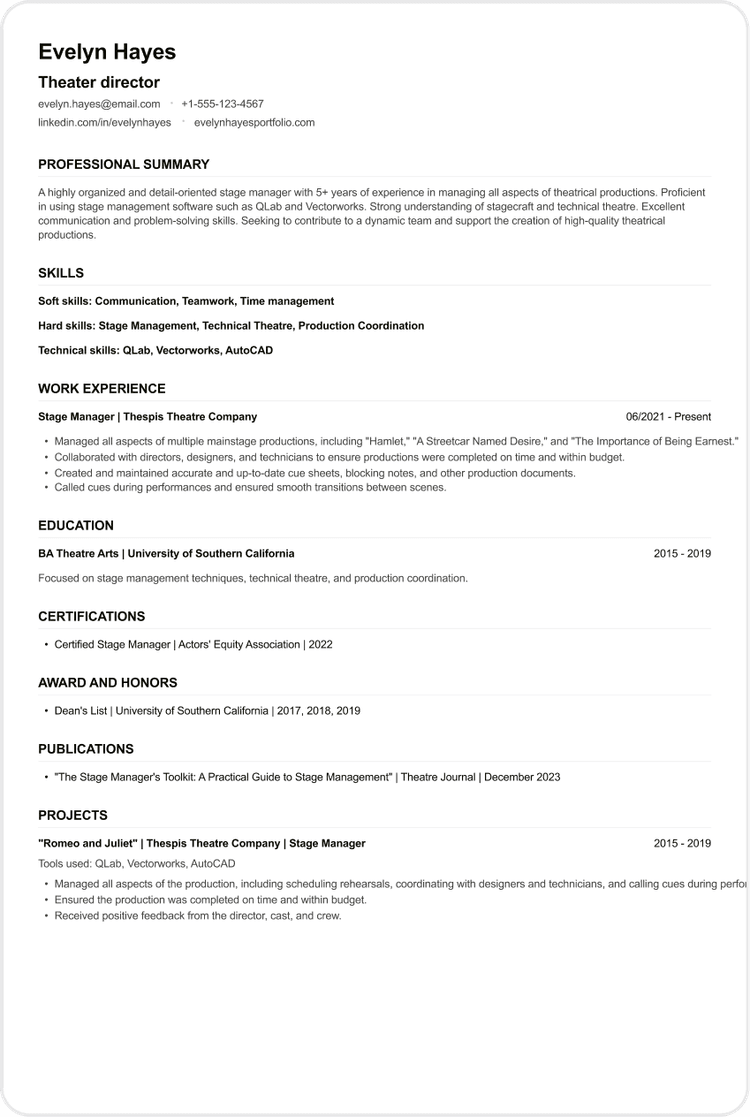
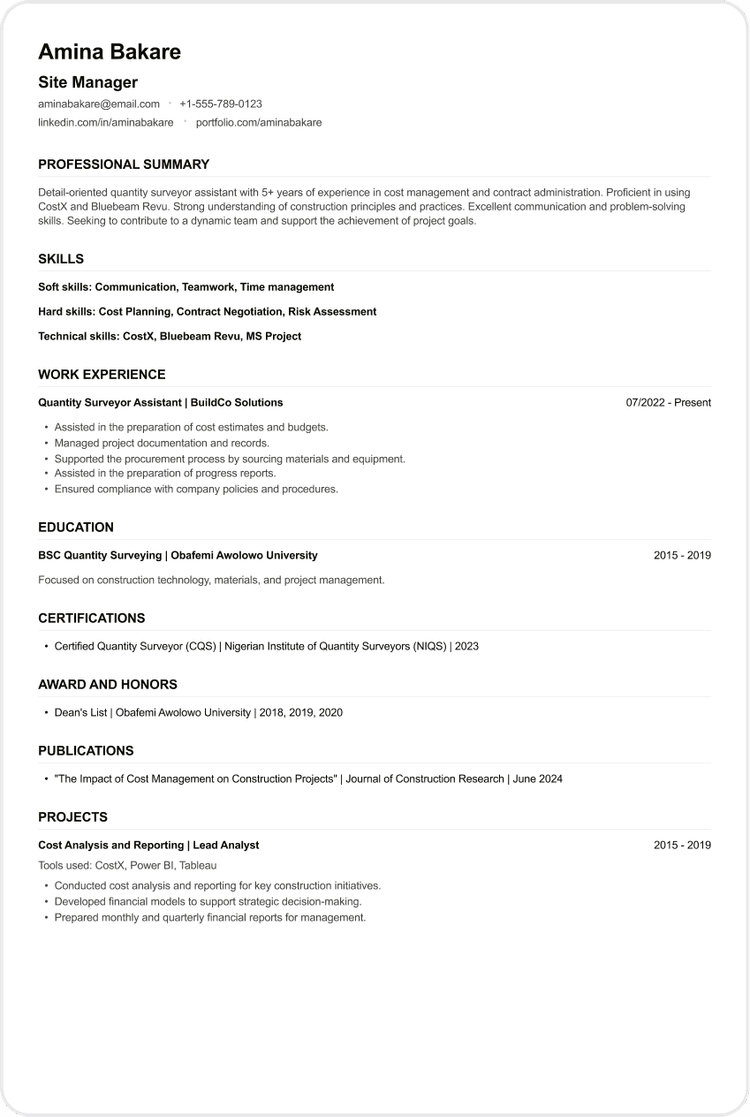
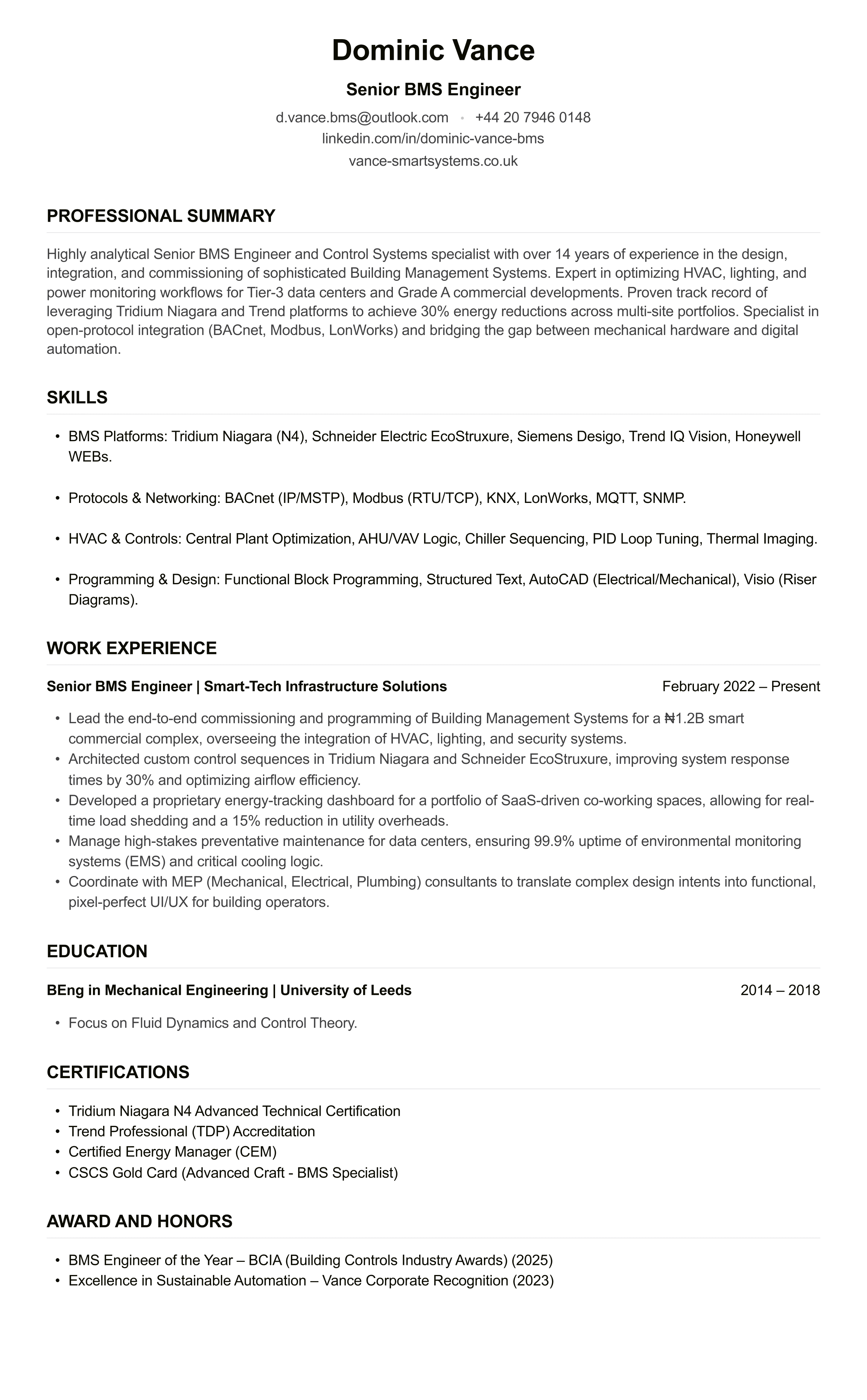
BMS Engineer CV example

Structuring your BMS Engineer CV


Your CV needs to be as well-integrated as your BMS installations.
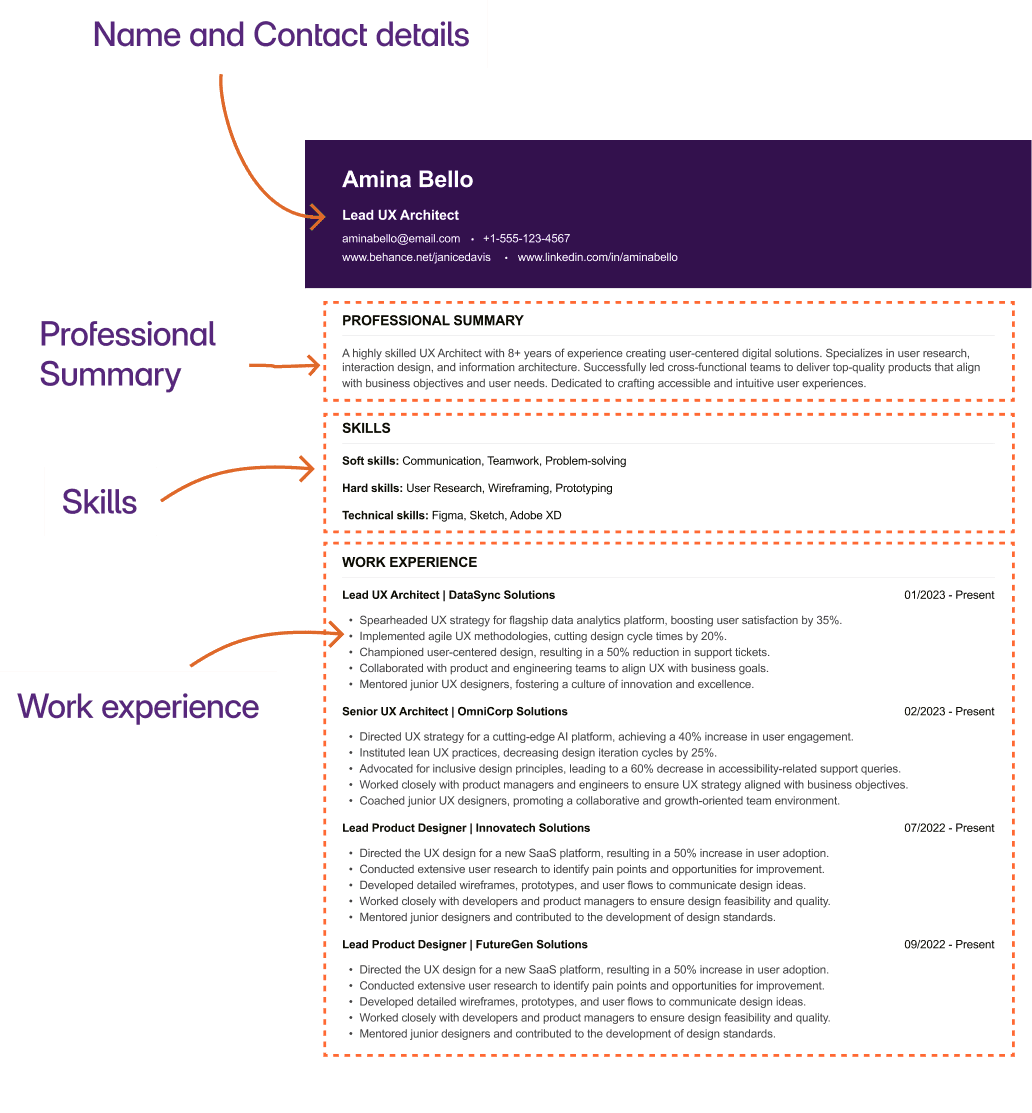
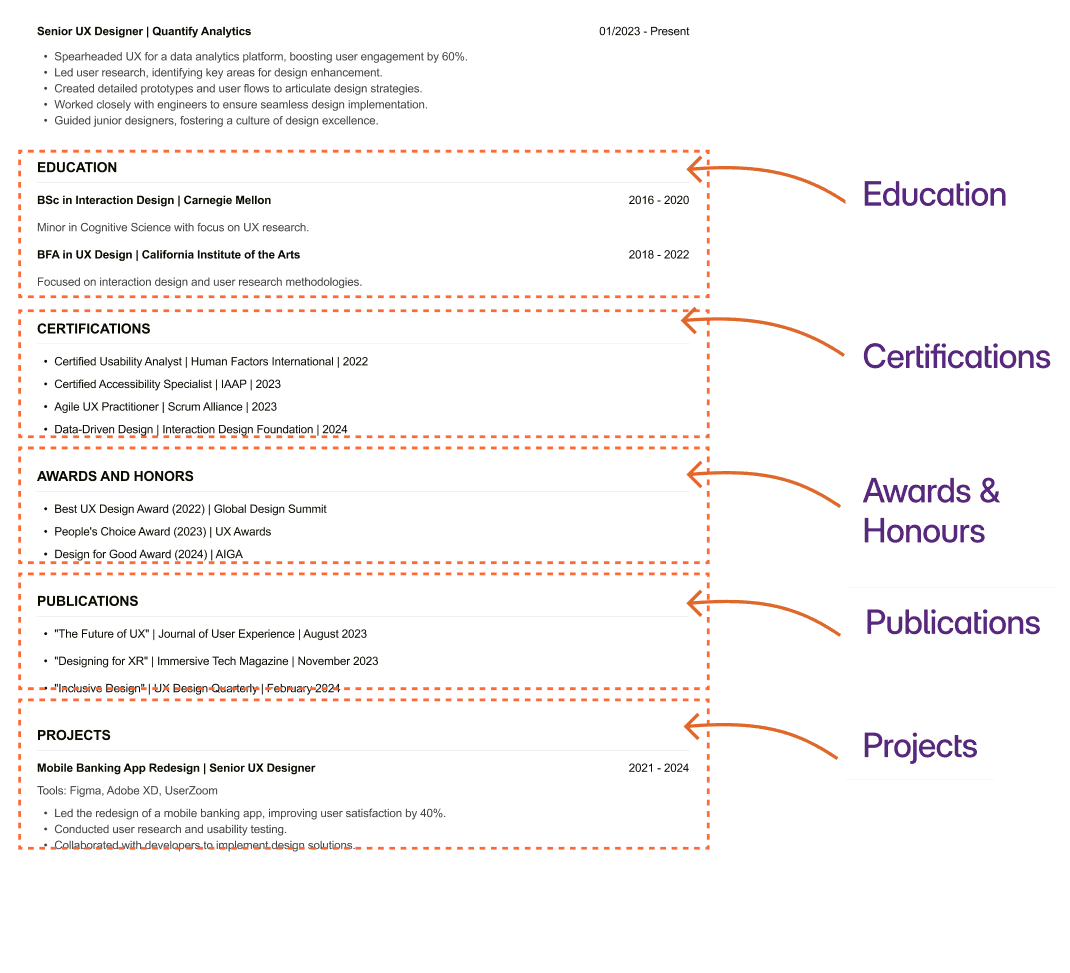
Here's how to structure your BMS Engineer CV
- Name and contact details – Place personal information at the top so employers can reach you easily.
- CV profile – Kick things off with a concise overview of what makes you the ideal candidate for the job.
- Core skills – Quickly highlight your most relevant strengths.
- Work experience – Detail your roles in reverse chronological order, focusing on measurable results.
- Education – Provide details on your academic qualifications and relevant certifications.
- Additional info – Optionally, mention certifications, memberships, or personal projects.
Formatting your BMS Engineer CV

You want to prove to a recruiter that you're technically proficient and detail-oriented, so what better place to start than your CV?
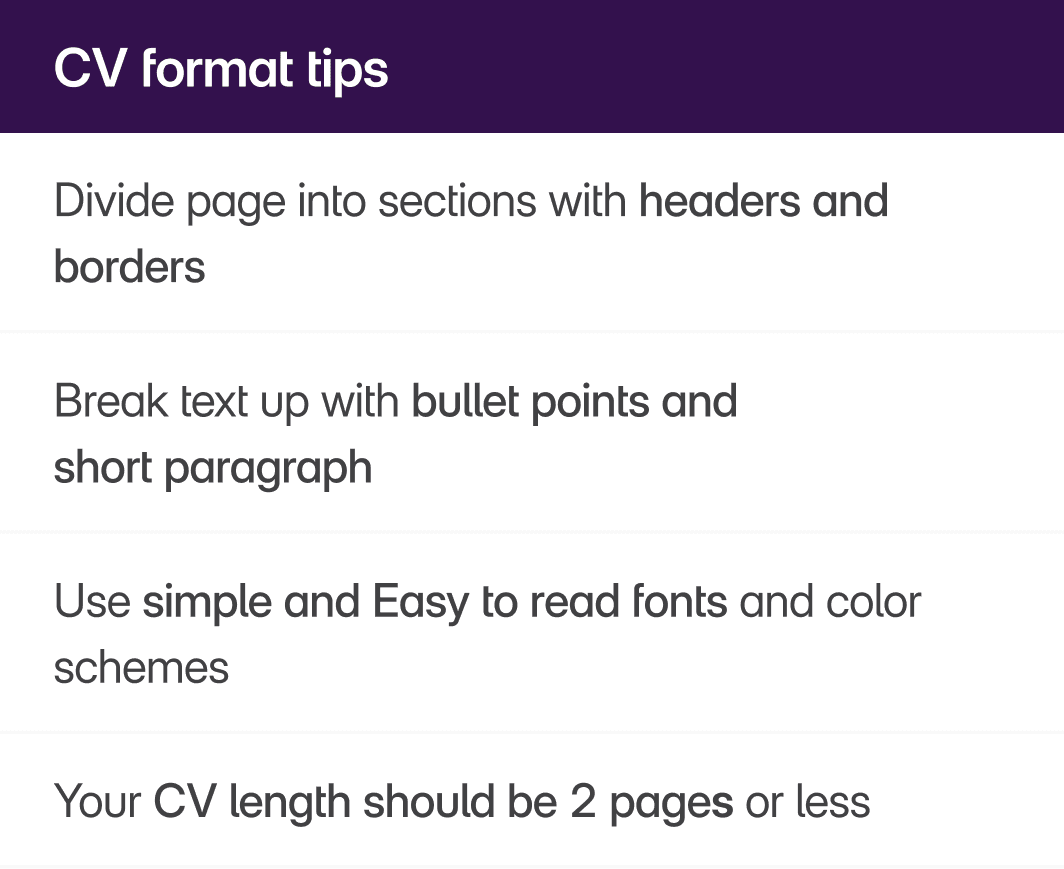
Here's some useful tips to format your BMS Engineer CV effectively:
- Bullet points – Break down duties and achievements into concise details.
- Divide sections – Use clear headings for a straightforward layout.
- Use a clear font and colour scheme – Keep your layout uncluttered for maximum readability.
- No more than 2 pages – Keep it focused on your best and most relevant qualities.
Writing a BMS Engineer CV Professional summary
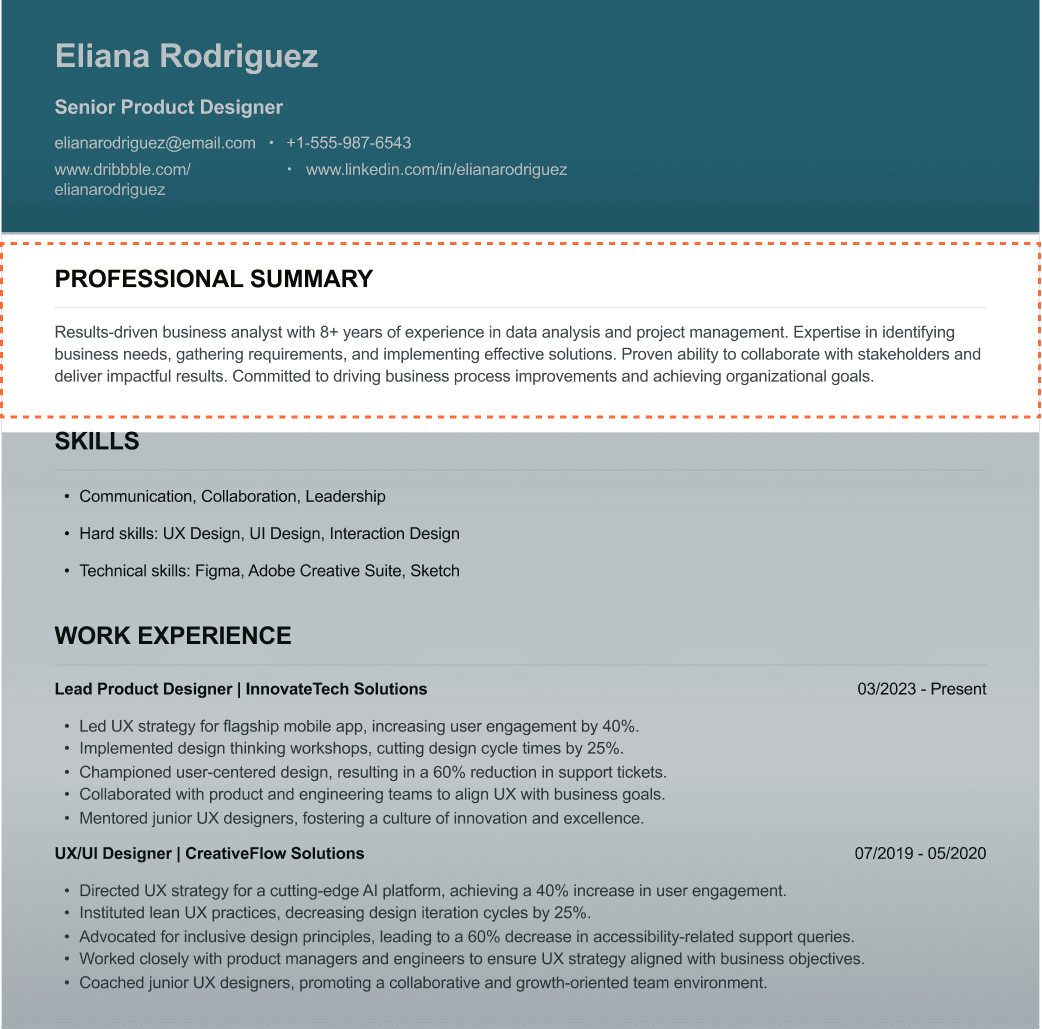
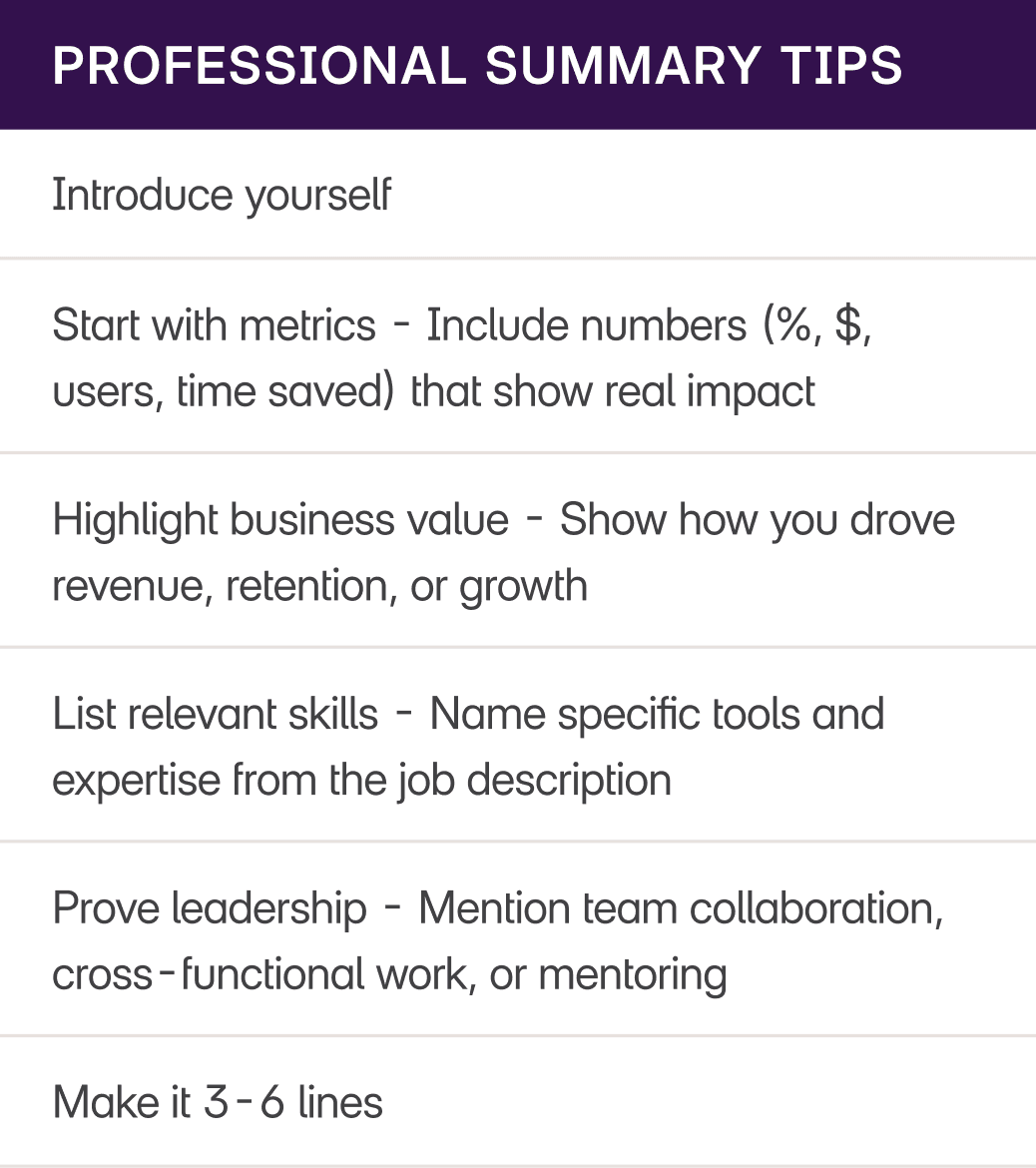
Your CV profile is your chance to introduce yourself as a skilled, innovative BMS Engineer who optimizes building performance.
BMS Engineer CV professional summaries :
Professional summary 1
Technical BMS Engineer with five years commissioning building automation systems, skilled in Tridium Niagara, Trend IQ, and HVAC controls. Proven track record of programming 50+ BMS installations serving buildings with 100,000+ sqm total area, achieving 25% average energy savings through optimization, and delivering controls solutions across commercial offices, hospitals, and educational facilities with 98% uptime performance.
Professional summary 2
Experienced Senior BMS Engineer with seven years across design, installation, and maintenance, specializing in Schneider EcoStruxure, Johnson Controls Metasys, and energy management. Expertise in leading controls projects worth £500,000+, reducing client operational costs by 30%, and implementing integrated systems for lighting, HVAC, security, and fire across data centers, industrial facilities, and retail complexes.
Professional summary 3
Principal BMS Engineer with over nine years transforming building operations, focusing on IoT integration, predictive maintenance, and smart building solutions. Proven ability to manage controls teams of 6+ engineers, design enterprise BMS architectures serving 50+ buildings, deliver annual energy savings exceeding £2 million, and optimize building performance across commercial real estate, healthcare, and government sectors.
What to Include In Your BMS Engineer CV profile:
- Where you've worked – Mention the types of buildings or sectors you've worked in, such as commercial, healthcare, industrial, or data centers.
- Your top qualifications – Highlight your electrical/controls qualifications, vendor certifications, or engineering degrees.
- Essential BMS skills – Include your proficiency with specific platforms (Tridium, Trend, Honeywell, Schneider), programming, and commissioning.
- System scale managed – Reference building sizes, number of installations, or portfolio values managed.
- Relevant technologies – Mention experience with HVAC controls, lighting integration, BACnet, Modbus, or IoT platforms.


How to Present a BMS Engineer Core Skills Section Properly
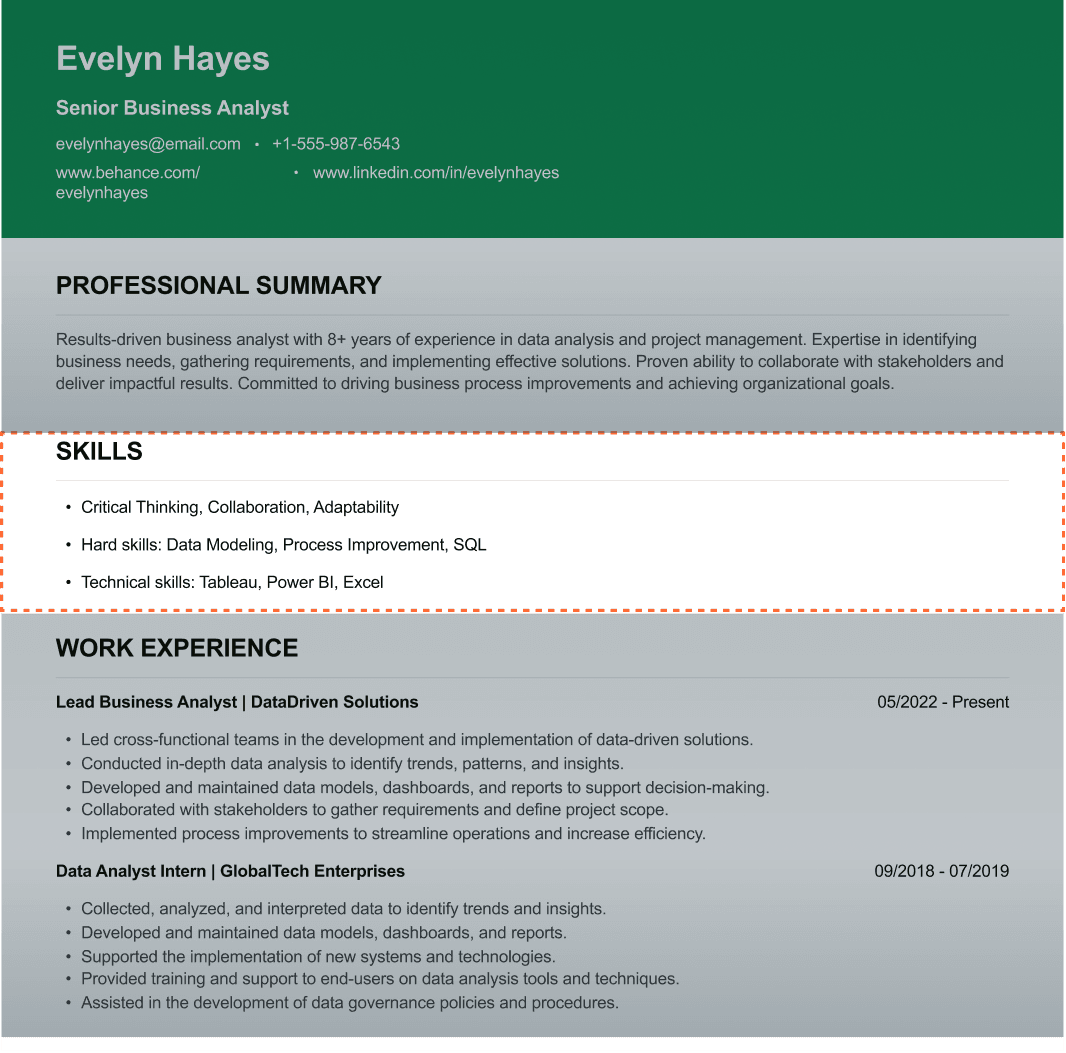
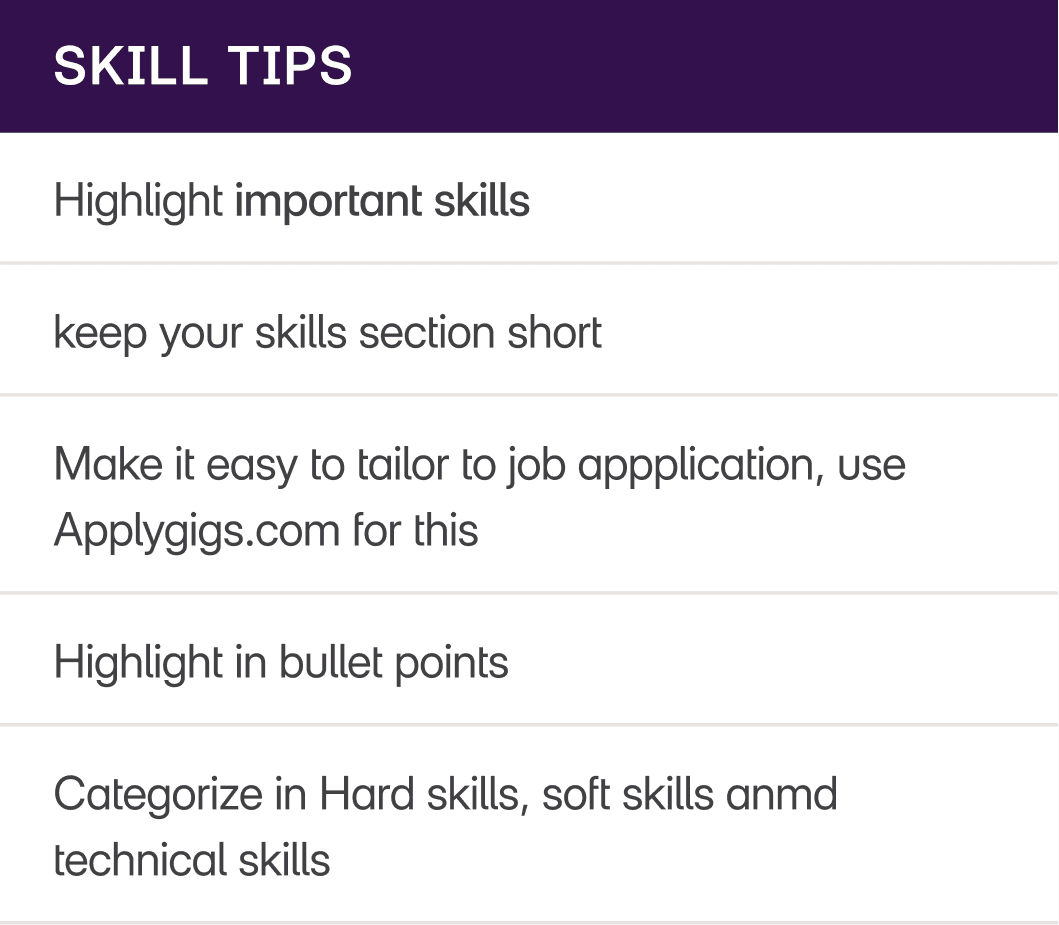
The core skills section is your quick-reference list, showing employers why you're the BMS Engineer who can deliver intelligent, efficient building systems.
BMS Engineer CV Top skills
Top skills for BMS Engineer CV
- BMS Programming – Programming control strategies, sequences of operation, and logic for building automation systems.
- System Commissioning – Testing, validating, and optimizing BMS installations ensuring proper operation.
- HVAC Controls – Integrating and controlling heating, ventilation, air conditioning, and chillers.
- Protocol Integration – Working with BACnet, Modbus, LON, and other building automation protocols.
- Graphic Development – Creating operator interfaces, dashboards, and graphical representations.
- Energy Optimization – Implementing energy-saving strategies and monitoring consumption patterns.
- Fault Diagnosis – Troubleshooting system issues, sensor problems, and control failures.
- System Design – Designing BMS architectures, I/O requirements, and network configurations.
How to Write a BMS Engineer CV Work Experience
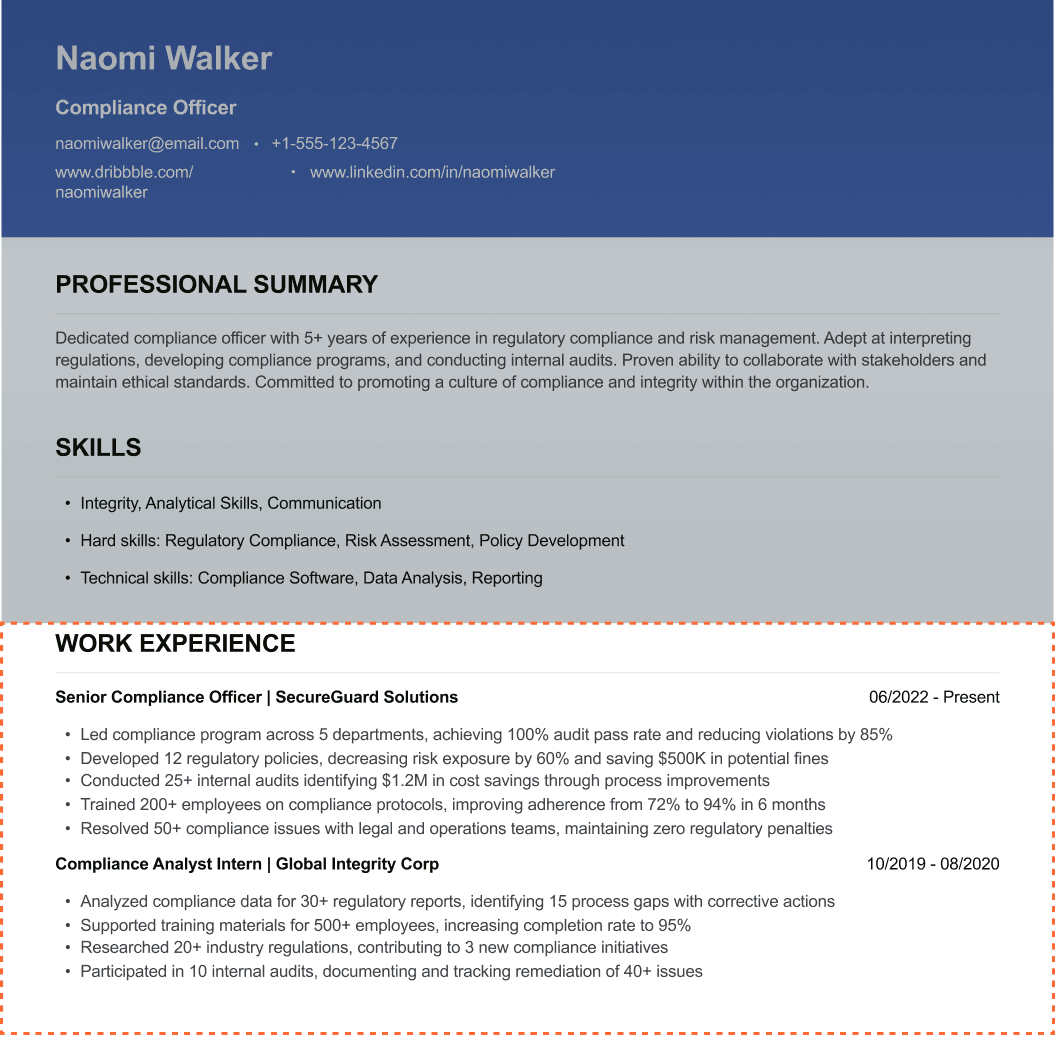
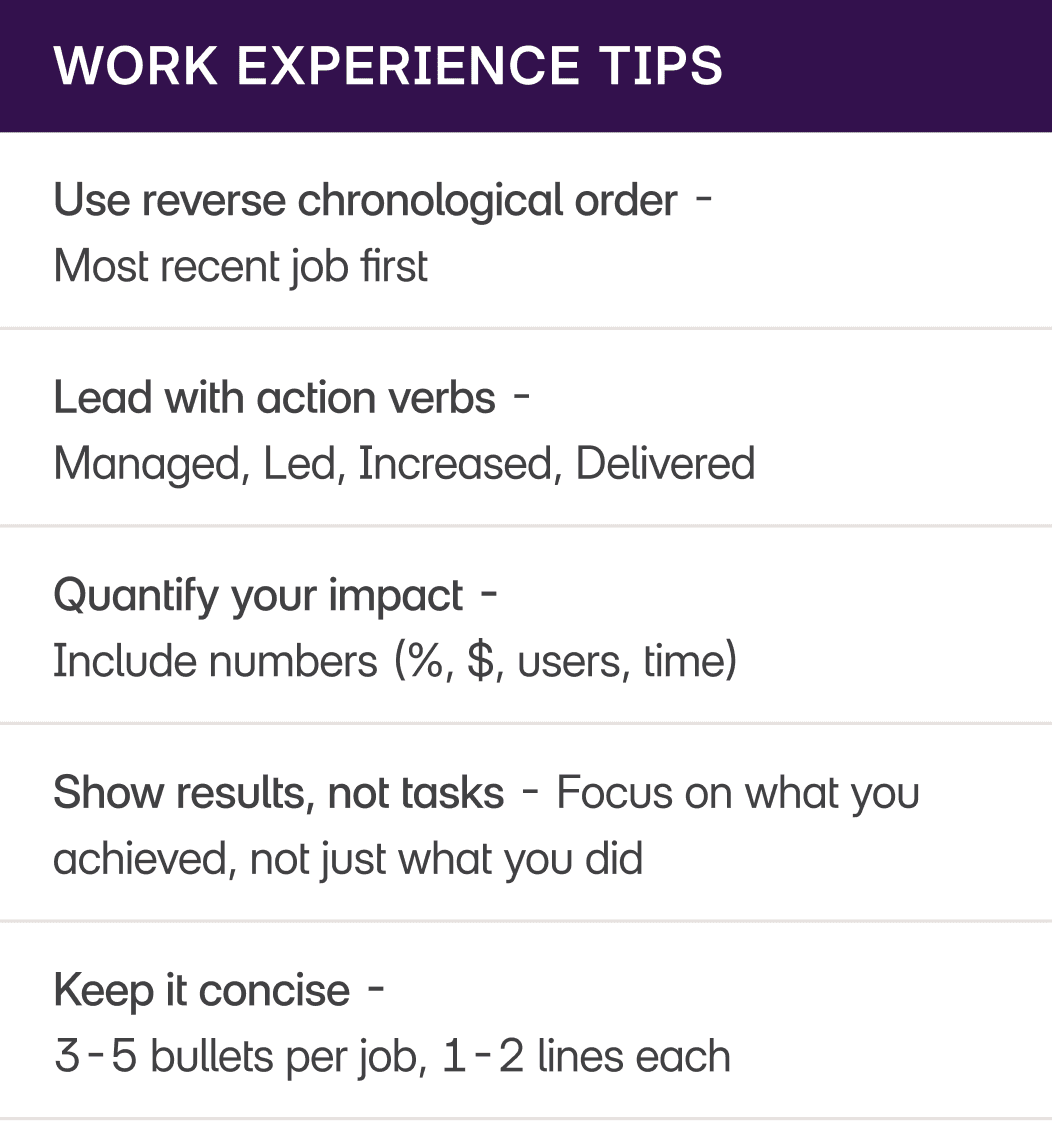
Here's the bulk of your CV: your work experience section is where you prove how your BMS expertise has delivered efficient, reliable building operations.
BMS Engineer CV Work experience examples
BMS Engineer | Building Services Contractor
Responsibilities
- Designed BMS architectures including controller selection, I/O requirements, and network design
- Programmed control strategies for AHUs, FCUs, chillers, boilers, and plant equipment
- Developed sequences of operation implementing optimized control logic and energy strategies
- Created graphical user interfaces providing intuitive control and monitoring dashboards
- Commissioned BMS installations testing all control points, sequences, and integrations
Writing a BMS Engineer CV section
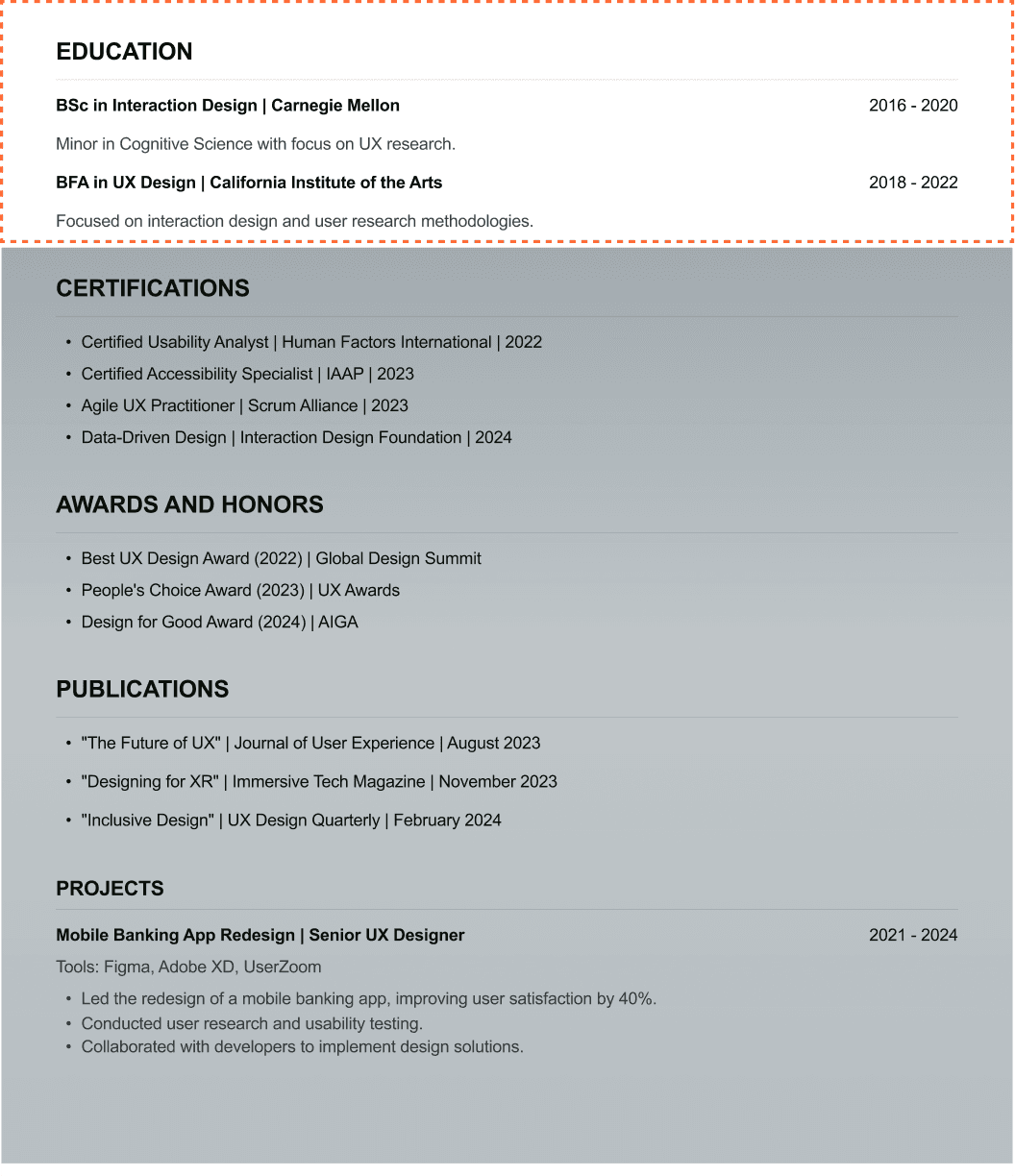
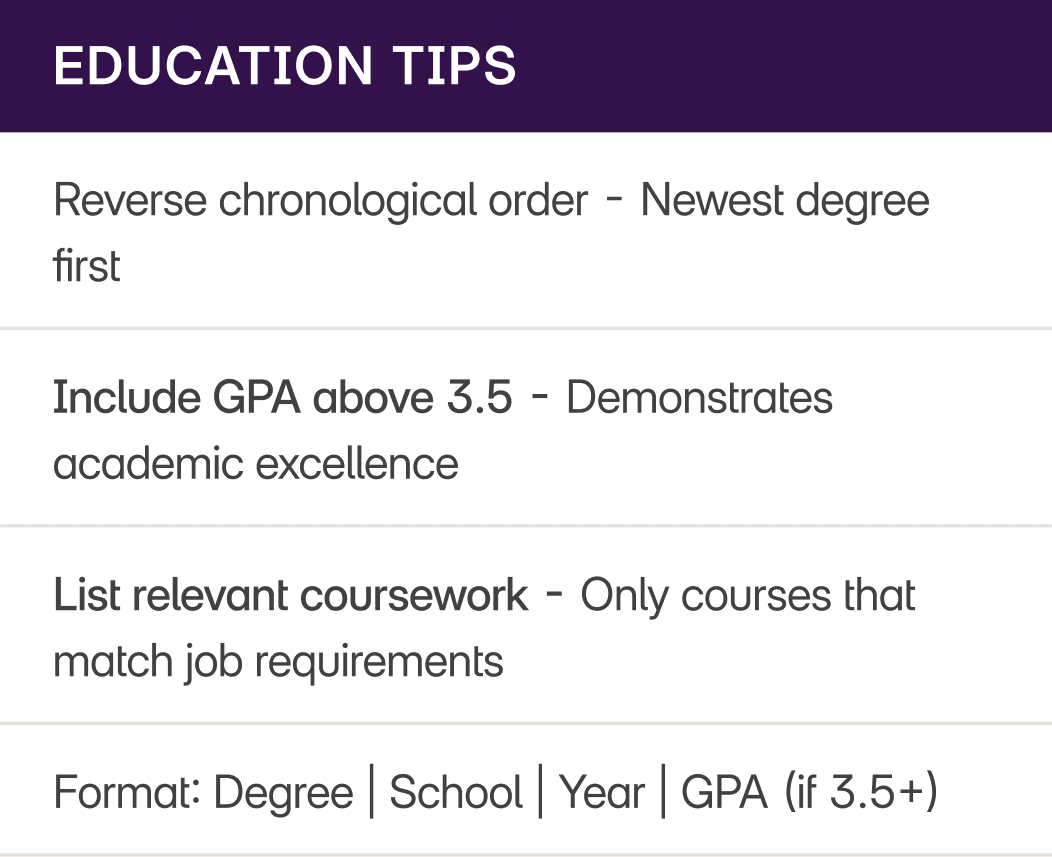
The education section shows the qualifications that lay the foundation for your BMS career.
Best Qualifications for BMS Engineer professionals
- HNC/HND in Electrical Engineering or Building Services – Technical qualification for BMS roles.
- Bachelor's Degree in Electrical Engineering or Control Systems – Engineering degree supporting advanced roles.
- Tridium Niagara Certification – Industry-leading BMS platform certification.
- Trend IQ Certification – Trend controls system certification.
- BACnet Certified Professional – Protocol expertise certification.
- Level 3 BTEC in Electrical/Electronic Engineering – Technical qualification for BMS engineers.
How to Write a BMS Engineer CV Certification, Awards and Publication Section
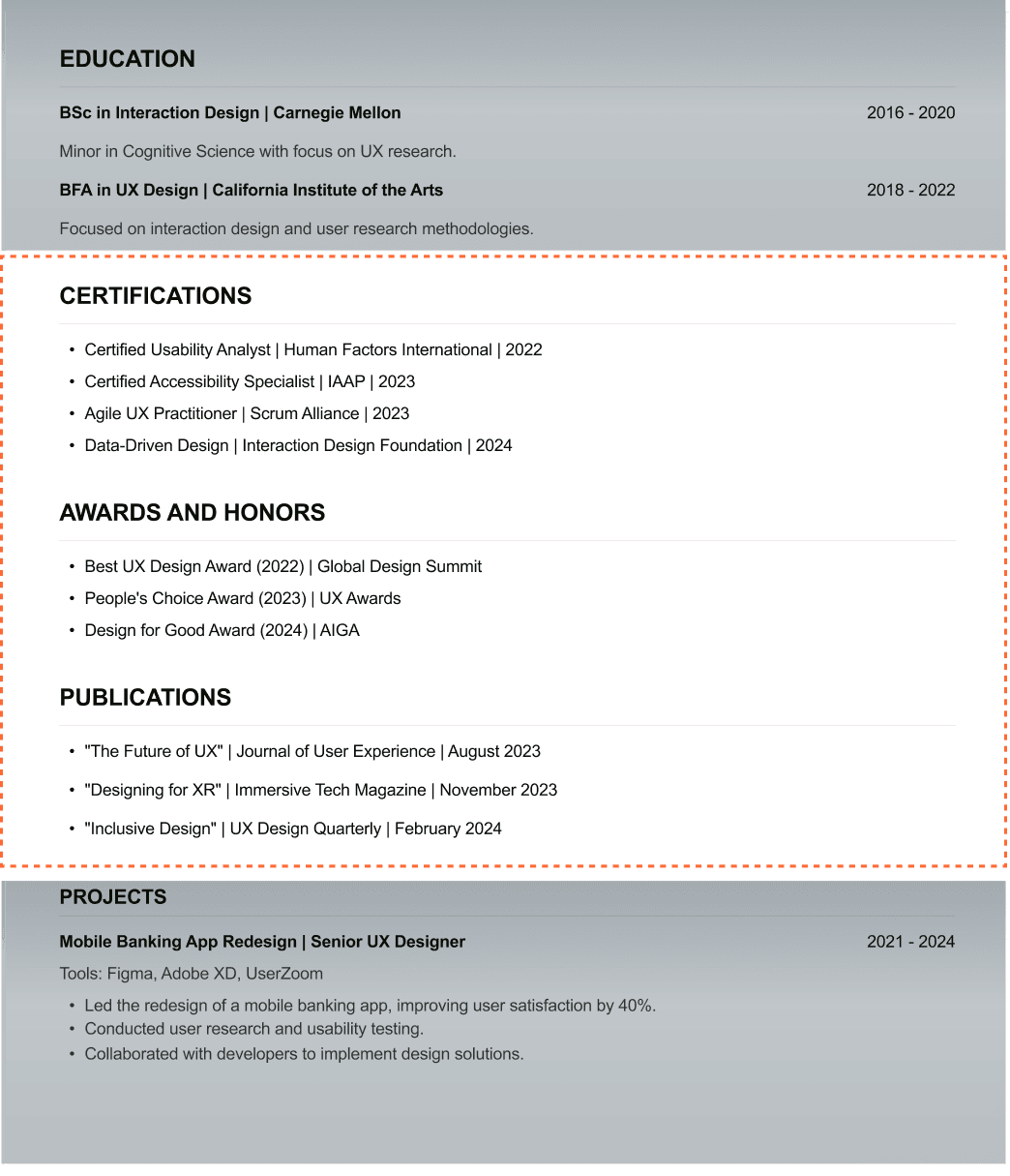
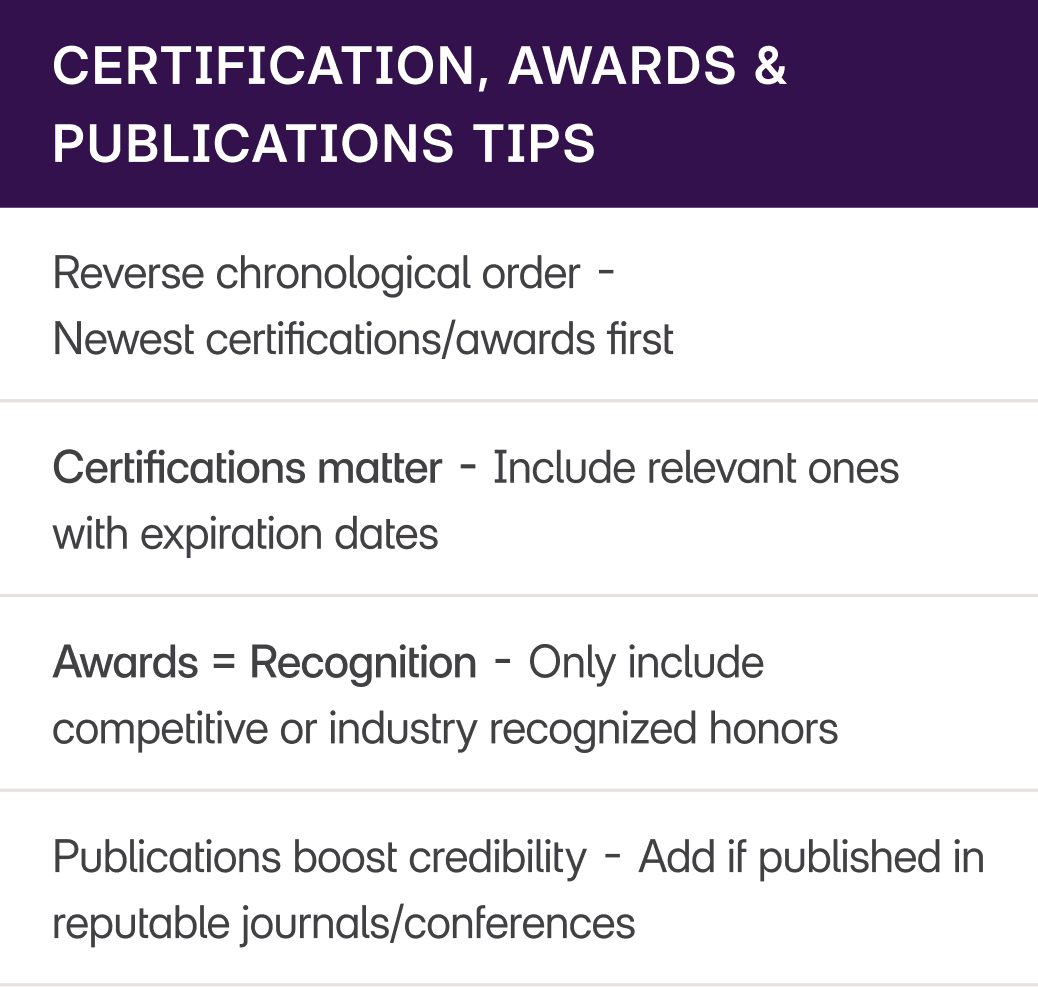
Adding a dedicated section for certifications, awards, and publications can significantly strengthen your BMS Engineer CV by demonstrating your technical expertise, vendor qualifications, and professional development.
BMS Engineer CV certification, Awards and Publication examples
Tridium Niagara 4 Certified Professional – Tridium, 2024
Trend IQ Vision Certification – Trend Control Systems, 2023
BACnet Certified Professional – BACnet International, 2024
Schneider EcoStruxure Building Expert – Schneider Electric, 2023
CompTIA Network+ – CompTIA, 2023
How to Write a BMS Engineer CV Projects Section
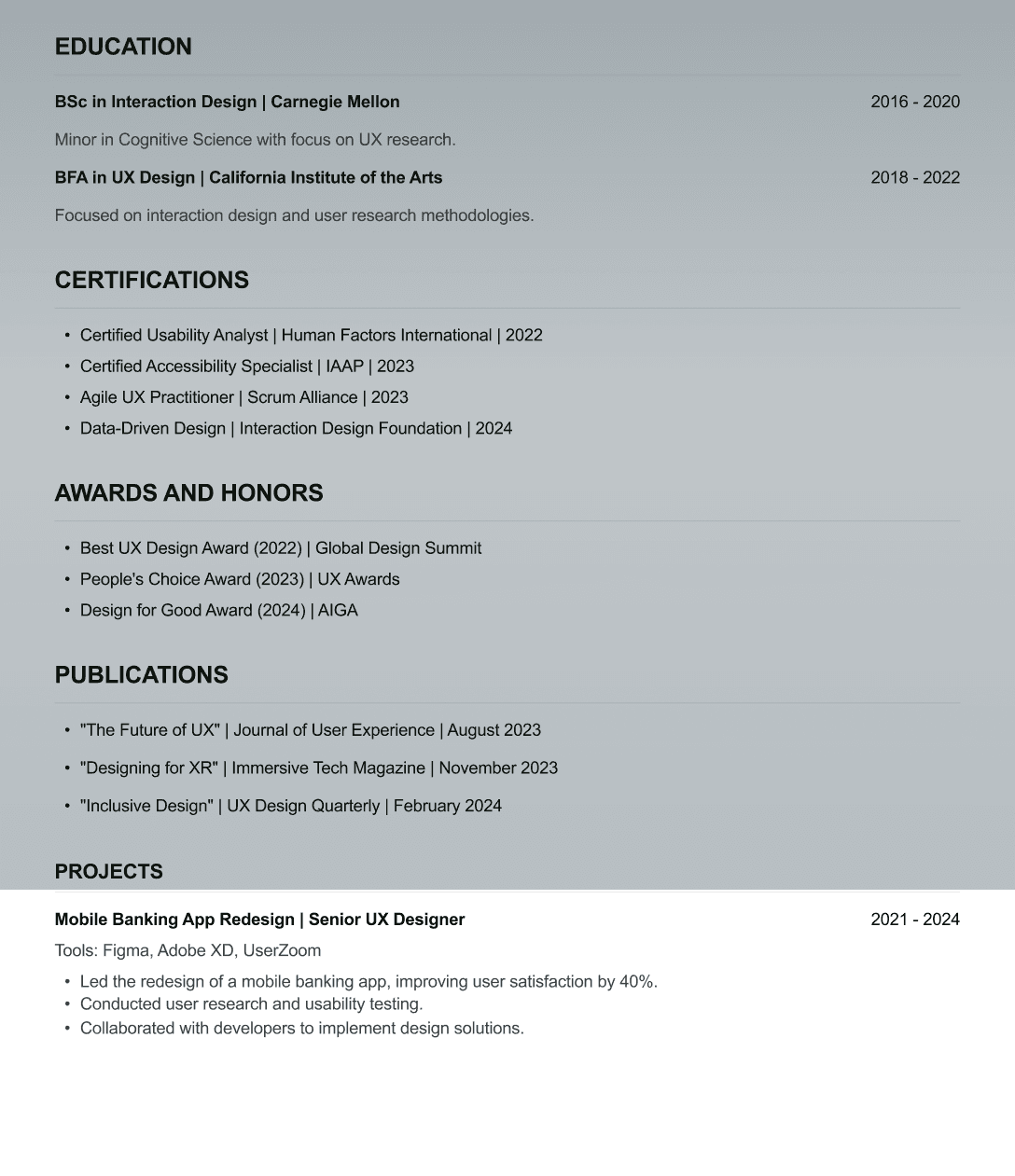
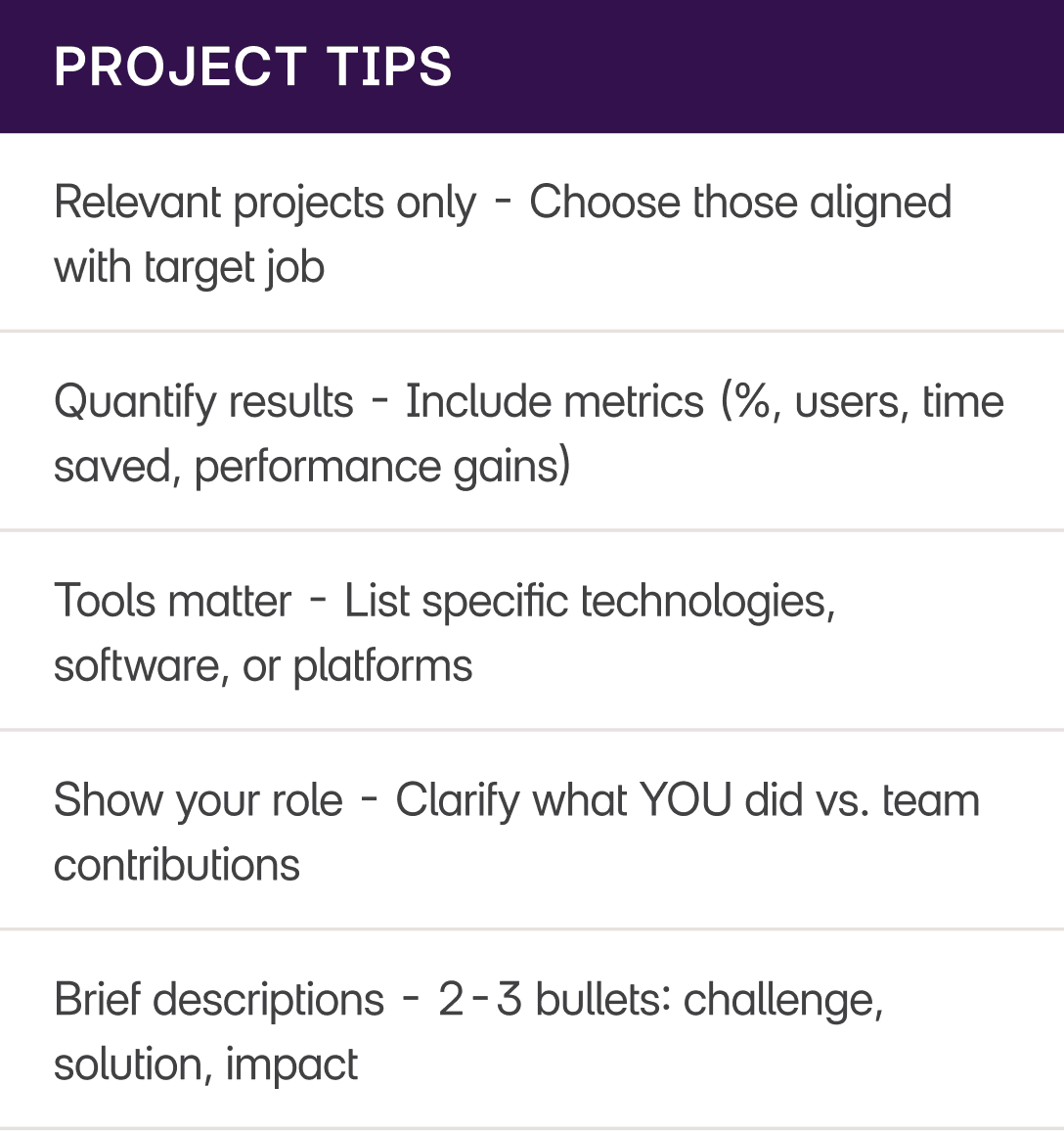
Showcasing specific projects in your BMS Engineer CV demonstrates your ability to deliver complex control systems and building optimization.
How to structure project descriptions
Project Title | Organisation | Duration
- Project overview – Brief description of the BMS scope and control challenge
- Your role – Your specific engineering responsibilities and technical approach
- Key activities – Systems programmed, integrations performed, and optimization delivered
- Results – Energy savings, performance improvements, or system achievements
BMS Engineer CV projects examples
Corporate Headquarters BMS Installation | Grade A Office Building | Jan 2024-Aug 2024
Designed and commissioned comprehensive building management system for 15-story, 28,000 sqm corporate headquarters housing 2,000 employees, implementing Tridium Niagara 4 platform with 850+ BACnet points, integrating HVAC, lighting, metering, and access control systems, and delivering 32% energy reduction versus design baseline through advanced optimization strategies.
- Conducted detailed site survey documenting existing mechanical and electrical systems
- Designed BMS architecture including JACE controllers, field devices, and network topology
- Specified 850+ control points including temperature, pressure, flow, and status monitoring
- Developed control narratives for 12 AHUs, 300 FCUs, 2 chillers, and 4 boilers